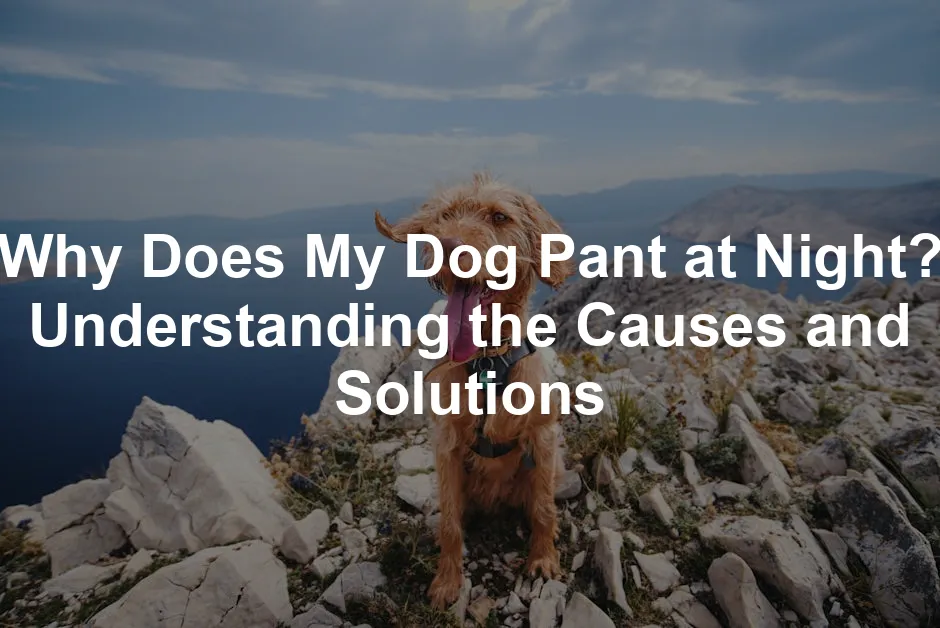
Why Does My Dog Pant at Night? Understanding the Causes and Solutions
Explanation of the Disorder:
Canine cognitive disorder affects a dog’s memory, learning, and perception.
How It Affects Sleep-Wake Cycles and Behavior:
Affected dogs may exhibit disorientation, pacing, and excessive panting. If you suspect this condition, consult your veterinarian for guidance.
Understanding the various reasons behind nighttime panting can help you identify potential health issues early. Keeping your dog comfortable and healthy is key to ensuring peaceful nights for both of you!
When to See a Veterinarian
Signs That Require Immediate Attention
If your dog is panting excessively without a clear reason, it’s time to take action. This behavior can signal something more serious lurking beneath the surface. Pay close attention to these signs:
- Excessive Panting Without an Obvious Cause: If your dog is panting heavily while resting, it may indicate distress. A healthy dog should not be panting heavily at night, especially in a comfortable environment.
- Signs of Heatstroke and Other Emergencies: Heatstroke is a serious condition that can escalate quickly. Look out for these symptoms: confusion, weakness, or a tongue that appears red, purple, or blue. If you observe any of these signs, seek veterinary care immediately.
Other emergencies can include sudden changes in behavior, such as pacing or whining, which may accompany heavy panting. These behaviors can indicate anxiety or pain that needs addressing.
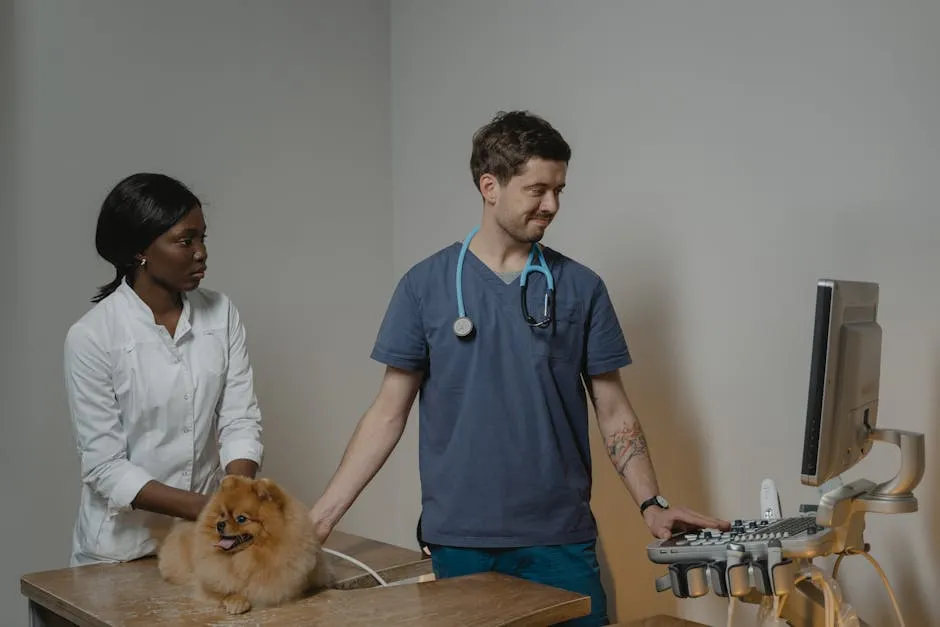
Routine Check-ups
Regular veterinary check-ups play a key role in your dog’s overall health. These visits can help identify potential issues before they become serious problems. It’s essential to keep your vet informed about your dog’s panting patterns.
During routine visits, discuss any changes you’ve noticed in your dog’s behavior, especially if panting has become more frequent or intense. Your veterinarian can assess if this behavior is normal or if further investigation is warranted.
Monitoring your dog’s health and being proactive can ensure a happy, healthy life for your furry friend. Don’t hesitate to reach out to your vet with any concerns, especially regarding unusual panting.
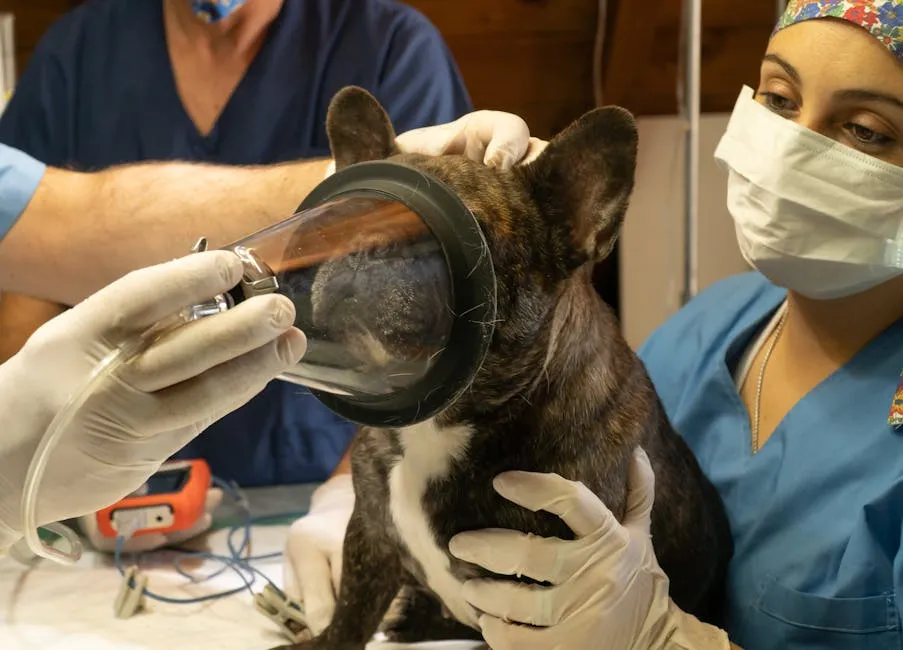
Tips for Managing Nighttime Panting
Creating a Comfortable Environment
Setting up an ideal sleeping space for your pup can help reduce nighttime panting. Here are some key factors to consider:
- Ideal Sleeping Conditions for Dogs: Ensure your dog has a cozy, quiet place to sleep. A comfortable bed in a cool, well-ventilated area can do wonders. Use breathable materials to keep them comfortable. An excellent choice would be an Orthopedic Dog Bed that provides proper support for your dog’s joints.
- Importance of Hydration and Temperature Control: Keep fresh water accessible. Staying hydrated helps regulate body temperature. During warm nights, consider using fans or air conditioning to maintain a comfortable temperature. Dogs can’t sweat, so they rely on their environment to help cool down.

Anxiety Management Techniques
If your dog’s panting is related to anxiety, there are several methods to help calm their nerves:
- Suggestions for Calming Anxious Dogs: Try using calming sprays or pheromone diffusers. These can create a soothing atmosphere. If you’re looking for something effective, check out a Calming Dog Treats that can help relax your pup during stressful situations.
- Behavioral Modifications and Training: Teach your dog relaxation techniques. Training can help them feel more secure at night. Consider crate training or providing a safe space where they can retreat during stressful situations.
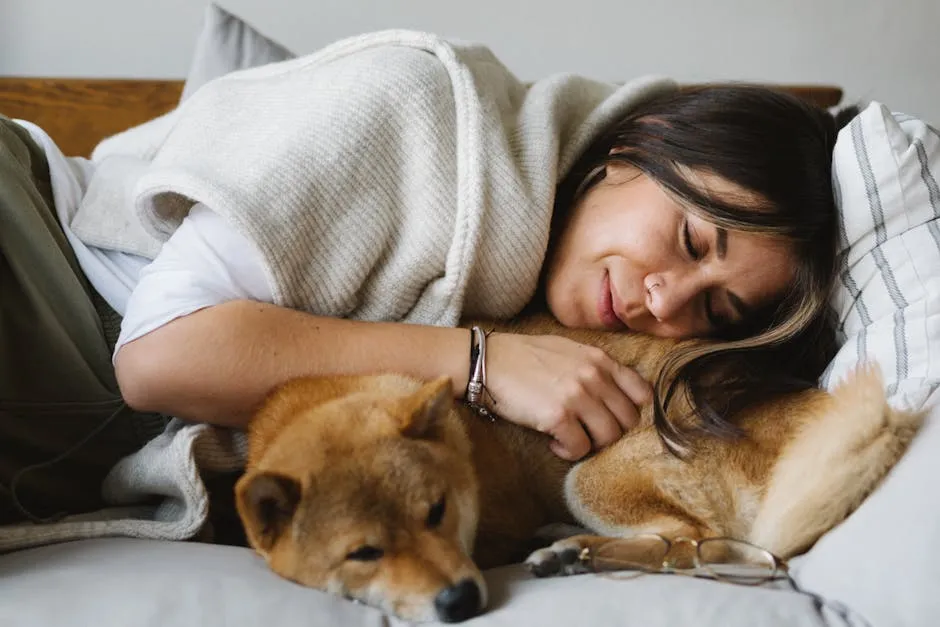
Monitoring and Record-Keeping
Keeping track of your dog’s panting patterns can provide valuable information for your veterinarian:
- Keeping Track of Panting Patterns: Note when panting occurs and any triggers that seem to be involved. Is it worse on certain nights or after specific activities?
- Note Any Accompanying Symptoms for Vet Visits: If you observe additional symptoms, such as lethargy or changes in appetite, make sure to document those too. This information can help your veterinarian make informed decisions about your dog’s health.
By managing your dog’s environment and monitoring their behavior, you can create a more peaceful nighttime experience for both of you.
Conclusion
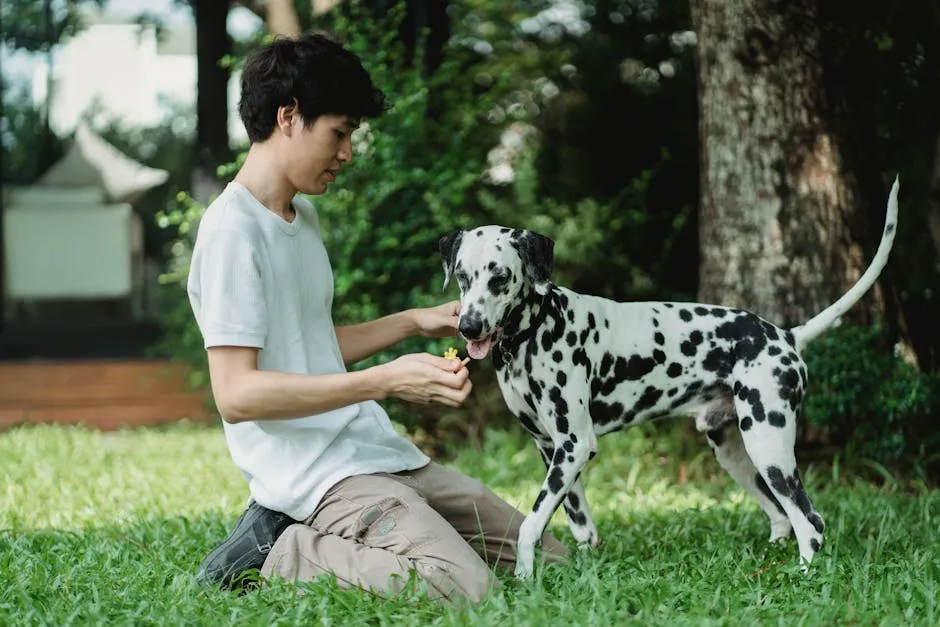
In conclusion, nighttime panting in dogs can arise from various causes, some of which are perfectly harmless while others may require prompt attention. It’s essential to understand that panting is a natural behavior for dogs, often used to regulate their body temperature. However, if your furry friend starts panting excessively at night, it’s a sign that something might be amiss.
Being observant of your dog’s habits and behaviors can make a world of difference. If you notice changes in their panting patterns, it’s crucial to consider factors like environmental conditions, stress levels, and any signs of discomfort. A little extra attention can help you identify when your dog needs a vet’s expertise.
Your pup’s well-being is a top priority. By staying vigilant and proactive, you can ensure they enjoy restful nights and maintain a happy, healthy life. Remember, when uncertainty looms, consulting a veterinarian is always the best course of action. They can provide tailored advice and support, helping you navigate any concerns about your beloved pet’s health.
FAQs
Is panting at night always a sign of a problem?
Not necessarily! Panting can be a normal response to heat, exercise, or excitement. However, if your dog pants excessively at night, especially in a comfortable environment, it may indicate an underlying issue. Watch for signs of distress, restlessness, or changes in behavior to determine if a vet visit is warranted.
How can I tell if my dog is in distress?
Key symptoms include excessive panting, whining, pacing, or refusal to lie down. If your dog appears restless, has a rapid heart rate, or shows signs of discomfort like drooling or trembling, these may be indicators of distress. Monitoring their overall behavior can help you gauge their comfort level.
What should I do if my dog pants excessively?
Start by ensuring your dog is in a comfortable environment with access to fresh water. If the panting continues or worsens, observe for other symptoms. If your dog shows signs of distress, consult your veterinarian for guidance. They can assess whether further examination or treatment is needed.
Can I prevent my dog from panting at night?
Yes, by creating a soothing environment. Keep your dog’s sleeping area cool, quiet, and well-ventilated. If anxiety is a concern, consider calming techniques like providing a safe space or using pheromone diffusers. Regular exercise can also help reduce stress levels, leading to a more restful night.
How often should I take my dog to the vet for check-ups?
Routine check-ups are generally recommended once a year for healthy adult dogs. However, senior dogs or those with existing health issues may require more frequent visits. Regular veterinary care helps catch potential problems early, ensuring your dog’s continued health and happiness.
Please let us know what you think about our content by leaving a comment down below!
Thank you for reading till here 🙂
All images from Pexels
Signs Indicating Your Dog May Be in Pain:
Watch for whining, reluctance to move, or licking specific areas of their body. If you notice any of these signs, it’s crucial to seek veterinary care. You might also want to consider a Dog Nail Grinder to keep their nails trimmed and reduce the risk of injury.

Understanding potential sources of pain can be essential for your dog’s health. Learn more about phantom limb pain and how it can affect dogs.
Canine Cognitive Disorder (Dog Dementia)
As dogs age, they can suffer from cognitive decline, similar to dementia in humans.
Explanation of the Disorder:
Canine cognitive disorder affects a dog’s memory, learning, and perception.
How It Affects Sleep-Wake Cycles and Behavior:
Affected dogs may exhibit disorientation, pacing, and excessive panting. If you suspect this condition, consult your veterinarian for guidance.
Understanding the various reasons behind nighttime panting can help you identify potential health issues early. Keeping your dog comfortable and healthy is key to ensuring peaceful nights for both of you!
When to See a Veterinarian
Signs That Require Immediate Attention
If your dog is panting excessively without a clear reason, it’s time to take action. This behavior can signal something more serious lurking beneath the surface. Pay close attention to these signs:
- Excessive Panting Without an Obvious Cause: If your dog is panting heavily while resting, it may indicate distress. A healthy dog should not be panting heavily at night, especially in a comfortable environment.
- Signs of Heatstroke and Other Emergencies: Heatstroke is a serious condition that can escalate quickly. Look out for these symptoms: confusion, weakness, or a tongue that appears red, purple, or blue. If you observe any of these signs, seek veterinary care immediately.
Other emergencies can include sudden changes in behavior, such as pacing or whining, which may accompany heavy panting. These behaviors can indicate anxiety or pain that needs addressing.
Routine Check-ups
Regular veterinary check-ups play a key role in your dog’s overall health. These visits can help identify potential issues before they become serious problems. It’s essential to keep your vet informed about your dog’s panting patterns.
During routine visits, discuss any changes you’ve noticed in your dog’s behavior, especially if panting has become more frequent or intense. Your veterinarian can assess if this behavior is normal or if further investigation is warranted.
Monitoring your dog’s health and being proactive can ensure a happy, healthy life for your furry friend. Don’t hesitate to reach out to your vet with any concerns, especially regarding unusual panting.
Tips for Managing Nighttime Panting
Creating a Comfortable Environment
Setting up an ideal sleeping space for your pup can help reduce nighttime panting. Here are some key factors to consider:
- Ideal Sleeping Conditions for Dogs: Ensure your dog has a cozy, quiet place to sleep. A comfortable bed in a cool, well-ventilated area can do wonders. Use breathable materials to keep them comfortable. An excellent choice would be an Orthopedic Dog Bed that provides proper support for your dog’s joints.
- Importance of Hydration and Temperature Control: Keep fresh water accessible. Staying hydrated helps regulate body temperature. During warm nights, consider using fans or air conditioning to maintain a comfortable temperature. Dogs can’t sweat, so they rely on their environment to help cool down.
Anxiety Management Techniques
If your dog’s panting is related to anxiety, there are several methods to help calm their nerves:
- Suggestions for Calming Anxious Dogs: Try using calming sprays or pheromone diffusers. These can create a soothing atmosphere. If you’re looking for something effective, check out a Calming Dog Treats that can help relax your pup during stressful situations.
- Behavioral Modifications and Training: Teach your dog relaxation techniques. Training can help them feel more secure at night. Consider crate training or providing a safe space where they can retreat during stressful situations.
Monitoring and Record-Keeping
Keeping track of your dog’s panting patterns can provide valuable information for your veterinarian:
- Keeping Track of Panting Patterns: Note when panting occurs and any triggers that seem to be involved. Is it worse on certain nights or after specific activities?
- Note Any Accompanying Symptoms for Vet Visits: If you observe additional symptoms, such as lethargy or changes in appetite, make sure to document those too. This information can help your veterinarian make informed decisions about your dog’s health.
By managing your dog’s environment and monitoring their behavior, you can create a more peaceful nighttime experience for both of you.
Conclusion
In conclusion, nighttime panting in dogs can arise from various causes, some of which are perfectly harmless while others may require prompt attention. It’s essential to understand that panting is a natural behavior for dogs, often used to regulate their body temperature. However, if your furry friend starts panting excessively at night, it’s a sign that something might be amiss.
Being observant of your dog’s habits and behaviors can make a world of difference. If you notice changes in their panting patterns, it’s crucial to consider factors like environmental conditions, stress levels, and any signs of discomfort. A little extra attention can help you identify when your dog needs a vet’s expertise.
Your pup’s well-being is a top priority. By staying vigilant and proactive, you can ensure they enjoy restful nights and maintain a happy, healthy life. Remember, when uncertainty looms, consulting a veterinarian is always the best course of action. They can provide tailored advice and support, helping you navigate any concerns about your beloved pet’s health.
FAQs
Please let us know what you think about our content by leaving a comment down below!
Thank you for reading till here 🙂
All images from Pexels
Common Conditions That Lead to Panting:
- Arthritis
- Injuries
- Gastrointestinal issues
Signs Indicating Your Dog May Be in Pain:
Watch for whining, reluctance to move, or licking specific areas of their body. If you notice any of these signs, it’s crucial to seek veterinary care. You might also want to consider a Dog Nail Grinder to keep their nails trimmed and reduce the risk of injury.
Understanding potential sources of pain can be essential for your dog’s health. Learn more about phantom limb pain and how it can affect dogs.
Canine Cognitive Disorder (Dog Dementia)
As dogs age, they can suffer from cognitive decline, similar to dementia in humans.
Explanation of the Disorder:
Canine cognitive disorder affects a dog’s memory, learning, and perception.
How It Affects Sleep-Wake Cycles and Behavior:
Affected dogs may exhibit disorientation, pacing, and excessive panting. If you suspect this condition, consult your veterinarian for guidance.
Understanding the various reasons behind nighttime panting can help you identify potential health issues early. Keeping your dog comfortable and healthy is key to ensuring peaceful nights for both of you!
When to See a Veterinarian
Signs That Require Immediate Attention
If your dog is panting excessively without a clear reason, it’s time to take action. This behavior can signal something more serious lurking beneath the surface. Pay close attention to these signs:
- Excessive Panting Without an Obvious Cause: If your dog is panting heavily while resting, it may indicate distress. A healthy dog should not be panting heavily at night, especially in a comfortable environment.
- Signs of Heatstroke and Other Emergencies: Heatstroke is a serious condition that can escalate quickly. Look out for these symptoms: confusion, weakness, or a tongue that appears red, purple, or blue. If you observe any of these signs, seek veterinary care immediately.
Other emergencies can include sudden changes in behavior, such as pacing or whining, which may accompany heavy panting. These behaviors can indicate anxiety or pain that needs addressing.
Routine Check-ups
Regular veterinary check-ups play a key role in your dog’s overall health. These visits can help identify potential issues before they become serious problems. It’s essential to keep your vet informed about your dog’s panting patterns.
During routine visits, discuss any changes you’ve noticed in your dog’s behavior, especially if panting has become more frequent or intense. Your veterinarian can assess if this behavior is normal or if further investigation is warranted.
Monitoring your dog’s health and being proactive can ensure a happy, healthy life for your furry friend. Don’t hesitate to reach out to your vet with any concerns, especially regarding unusual panting.
Tips for Managing Nighttime Panting
Creating a Comfortable Environment
Setting up an ideal sleeping space for your pup can help reduce nighttime panting. Here are some key factors to consider:
- Ideal Sleeping Conditions for Dogs: Ensure your dog has a cozy, quiet place to sleep. A comfortable bed in a cool, well-ventilated area can do wonders. Use breathable materials to keep them comfortable. An excellent choice would be an Orthopedic Dog Bed that provides proper support for your dog’s joints.
- Importance of Hydration and Temperature Control: Keep fresh water accessible. Staying hydrated helps regulate body temperature. During warm nights, consider using fans or air conditioning to maintain a comfortable temperature. Dogs can’t sweat, so they rely on their environment to help cool down.
Anxiety Management Techniques
If your dog’s panting is related to anxiety, there are several methods to help calm their nerves:
- Suggestions for Calming Anxious Dogs: Try using calming sprays or pheromone diffusers. These can create a soothing atmosphere. If you’re looking for something effective, check out a Calming Dog Treats that can help relax your pup during stressful situations.
- Behavioral Modifications and Training: Teach your dog relaxation techniques. Training can help them feel more secure at night. Consider crate training or providing a safe space where they can retreat during stressful situations.
Monitoring and Record-Keeping
Keeping track of your dog’s panting patterns can provide valuable information for your veterinarian:
- Keeping Track of Panting Patterns: Note when panting occurs and any triggers that seem to be involved. Is it worse on certain nights or after specific activities?
- Note Any Accompanying Symptoms for Vet Visits: If you observe additional symptoms, such as lethargy or changes in appetite, make sure to document those too. This information can help your veterinarian make informed decisions about your dog’s health.
By managing your dog’s environment and monitoring their behavior, you can create a more peaceful nighttime experience for both of you.
Conclusion
In conclusion, nighttime panting in dogs can arise from various causes, some of which are perfectly harmless while others may require prompt attention. It’s essential to understand that panting is a natural behavior for dogs, often used to regulate their body temperature. However, if your furry friend starts panting excessively at night, it’s a sign that something might be amiss.
Being observant of your dog’s habits and behaviors can make a world of difference. If you notice changes in their panting patterns, it’s crucial to consider factors like environmental conditions, stress levels, and any signs of discomfort. A little extra attention can help you identify when your dog needs a vet’s expertise.
Your pup’s well-being is a top priority. By staying vigilant and proactive, you can ensure they enjoy restful nights and maintain a happy, healthy life. Remember, when uncertainty looms, consulting a veterinarian is always the best course of action. They can provide tailored advice and support, helping you navigate any concerns about your beloved pet’s health.
FAQs
Please let us know what you think about our content by leaving a comment down below!
Thank you for reading till here 🙂
All images from Pexels
How Allergies Can Disrupt Sleep:
Allergic reactions can lead to discomfort, causing your pup to pant at night. If you suspect allergies, consult your vet for advice. To help with allergy symptoms, consider a Dog Shampoo for Sensitive Skin to help soothe their skin and reduce irritation.

Pain or Discomfort
Pain is often an overlooked cause of nighttime panting.
Common Conditions That Lead to Panting:
- Arthritis
- Injuries
- Gastrointestinal issues
Signs Indicating Your Dog May Be in Pain:
Watch for whining, reluctance to move, or licking specific areas of their body. If you notice any of these signs, it’s crucial to seek veterinary care. You might also want to consider a Dog Nail Grinder to keep their nails trimmed and reduce the risk of injury.
Understanding potential sources of pain can be essential for your dog’s health. Learn more about phantom limb pain and how it can affect dogs.
Canine Cognitive Disorder (Dog Dementia)
As dogs age, they can suffer from cognitive decline, similar to dementia in humans.
Explanation of the Disorder:
Canine cognitive disorder affects a dog’s memory, learning, and perception.
How It Affects Sleep-Wake Cycles and Behavior:
Affected dogs may exhibit disorientation, pacing, and excessive panting. If you suspect this condition, consult your veterinarian for guidance.
Understanding the various reasons behind nighttime panting can help you identify potential health issues early. Keeping your dog comfortable and healthy is key to ensuring peaceful nights for both of you!
When to See a Veterinarian
Signs That Require Immediate Attention
If your dog is panting excessively without a clear reason, it’s time to take action. This behavior can signal something more serious lurking beneath the surface. Pay close attention to these signs:
- Excessive Panting Without an Obvious Cause: If your dog is panting heavily while resting, it may indicate distress. A healthy dog should not be panting heavily at night, especially in a comfortable environment.
- Signs of Heatstroke and Other Emergencies: Heatstroke is a serious condition that can escalate quickly. Look out for these symptoms: confusion, weakness, or a tongue that appears red, purple, or blue. If you observe any of these signs, seek veterinary care immediately.
Other emergencies can include sudden changes in behavior, such as pacing or whining, which may accompany heavy panting. These behaviors can indicate anxiety or pain that needs addressing.
Routine Check-ups
Regular veterinary check-ups play a key role in your dog’s overall health. These visits can help identify potential issues before they become serious problems. It’s essential to keep your vet informed about your dog’s panting patterns.
During routine visits, discuss any changes you’ve noticed in your dog’s behavior, especially if panting has become more frequent or intense. Your veterinarian can assess if this behavior is normal or if further investigation is warranted.
Monitoring your dog’s health and being proactive can ensure a happy, healthy life for your furry friend. Don’t hesitate to reach out to your vet with any concerns, especially regarding unusual panting.
Tips for Managing Nighttime Panting
Creating a Comfortable Environment
Setting up an ideal sleeping space for your pup can help reduce nighttime panting. Here are some key factors to consider:
- Ideal Sleeping Conditions for Dogs: Ensure your dog has a cozy, quiet place to sleep. A comfortable bed in a cool, well-ventilated area can do wonders. Use breathable materials to keep them comfortable. An excellent choice would be an Orthopedic Dog Bed that provides proper support for your dog’s joints.
- Importance of Hydration and Temperature Control: Keep fresh water accessible. Staying hydrated helps regulate body temperature. During warm nights, consider using fans or air conditioning to maintain a comfortable temperature. Dogs can’t sweat, so they rely on their environment to help cool down.
Anxiety Management Techniques
If your dog’s panting is related to anxiety, there are several methods to help calm their nerves:
- Suggestions for Calming Anxious Dogs: Try using calming sprays or pheromone diffusers. These can create a soothing atmosphere. If you’re looking for something effective, check out a Calming Dog Treats that can help relax your pup during stressful situations.
- Behavioral Modifications and Training: Teach your dog relaxation techniques. Training can help them feel more secure at night. Consider crate training or providing a safe space where they can retreat during stressful situations.
Monitoring and Record-Keeping
Keeping track of your dog’s panting patterns can provide valuable information for your veterinarian:
- Keeping Track of Panting Patterns: Note when panting occurs and any triggers that seem to be involved. Is it worse on certain nights or after specific activities?
- Note Any Accompanying Symptoms for Vet Visits: If you observe additional symptoms, such as lethargy or changes in appetite, make sure to document those too. This information can help your veterinarian make informed decisions about your dog’s health.
By managing your dog’s environment and monitoring their behavior, you can create a more peaceful nighttime experience for both of you.
Conclusion
In conclusion, nighttime panting in dogs can arise from various causes, some of which are perfectly harmless while others may require prompt attention. It’s essential to understand that panting is a natural behavior for dogs, often used to regulate their body temperature. However, if your furry friend starts panting excessively at night, it’s a sign that something might be amiss.
Being observant of your dog’s habits and behaviors can make a world of difference. If you notice changes in their panting patterns, it’s crucial to consider factors like environmental conditions, stress levels, and any signs of discomfort. A little extra attention can help you identify when your dog needs a vet’s expertise.
Your pup’s well-being is a top priority. By staying vigilant and proactive, you can ensure they enjoy restful nights and maintain a happy, healthy life. Remember, when uncertainty looms, consulting a veterinarian is always the best course of action. They can provide tailored advice and support, helping you navigate any concerns about your beloved pet’s health.
FAQs
Please let us know what you think about our content by leaving a comment down below!
Thank you for reading till here 🙂
All images from Pexels
Effects of Temperature and Humidity:
High nighttime temperatures can be uncomfortable, especially for older dogs and puppies. Ensure your dog’s sleeping area is cool and well-ventilated.
How Allergies Can Disrupt Sleep:
Allergic reactions can lead to discomfort, causing your pup to pant at night. If you suspect allergies, consult your vet for advice. To help with allergy symptoms, consider a Dog Shampoo for Sensitive Skin to help soothe their skin and reduce irritation.
Pain or Discomfort
Pain is often an overlooked cause of nighttime panting.
Common Conditions That Lead to Panting:
- Arthritis
- Injuries
- Gastrointestinal issues
Signs Indicating Your Dog May Be in Pain:
Watch for whining, reluctance to move, or licking specific areas of their body. If you notice any of these signs, it’s crucial to seek veterinary care. You might also want to consider a Dog Nail Grinder to keep their nails trimmed and reduce the risk of injury.
Understanding potential sources of pain can be essential for your dog’s health. Learn more about phantom limb pain and how it can affect dogs.
Canine Cognitive Disorder (Dog Dementia)
As dogs age, they can suffer from cognitive decline, similar to dementia in humans.
Explanation of the Disorder:
Canine cognitive disorder affects a dog’s memory, learning, and perception.
How It Affects Sleep-Wake Cycles and Behavior:
Affected dogs may exhibit disorientation, pacing, and excessive panting. If you suspect this condition, consult your veterinarian for guidance.
Understanding the various reasons behind nighttime panting can help you identify potential health issues early. Keeping your dog comfortable and healthy is key to ensuring peaceful nights for both of you!
When to See a Veterinarian
Signs That Require Immediate Attention
If your dog is panting excessively without a clear reason, it’s time to take action. This behavior can signal something more serious lurking beneath the surface. Pay close attention to these signs:
- Excessive Panting Without an Obvious Cause: If your dog is panting heavily while resting, it may indicate distress. A healthy dog should not be panting heavily at night, especially in a comfortable environment.
- Signs of Heatstroke and Other Emergencies: Heatstroke is a serious condition that can escalate quickly. Look out for these symptoms: confusion, weakness, or a tongue that appears red, purple, or blue. If you observe any of these signs, seek veterinary care immediately.
Other emergencies can include sudden changes in behavior, such as pacing or whining, which may accompany heavy panting. These behaviors can indicate anxiety or pain that needs addressing.
Routine Check-ups
Regular veterinary check-ups play a key role in your dog’s overall health. These visits can help identify potential issues before they become serious problems. It’s essential to keep your vet informed about your dog’s panting patterns.
During routine visits, discuss any changes you’ve noticed in your dog’s behavior, especially if panting has become more frequent or intense. Your veterinarian can assess if this behavior is normal or if further investigation is warranted.
Monitoring your dog’s health and being proactive can ensure a happy, healthy life for your furry friend. Don’t hesitate to reach out to your vet with any concerns, especially regarding unusual panting.
Tips for Managing Nighttime Panting
Creating a Comfortable Environment
Setting up an ideal sleeping space for your pup can help reduce nighttime panting. Here are some key factors to consider:
- Ideal Sleeping Conditions for Dogs: Ensure your dog has a cozy, quiet place to sleep. A comfortable bed in a cool, well-ventilated area can do wonders. Use breathable materials to keep them comfortable. An excellent choice would be an Orthopedic Dog Bed that provides proper support for your dog’s joints.
- Importance of Hydration and Temperature Control: Keep fresh water accessible. Staying hydrated helps regulate body temperature. During warm nights, consider using fans or air conditioning to maintain a comfortable temperature. Dogs can’t sweat, so they rely on their environment to help cool down.
Anxiety Management Techniques
If your dog’s panting is related to anxiety, there are several methods to help calm their nerves:
- Suggestions for Calming Anxious Dogs: Try using calming sprays or pheromone diffusers. These can create a soothing atmosphere. If you’re looking for something effective, check out a Calming Dog Treats that can help relax your pup during stressful situations.
- Behavioral Modifications and Training: Teach your dog relaxation techniques. Training can help them feel more secure at night. Consider crate training or providing a safe space where they can retreat during stressful situations.
Monitoring and Record-Keeping
Keeping track of your dog’s panting patterns can provide valuable information for your veterinarian:
- Keeping Track of Panting Patterns: Note when panting occurs and any triggers that seem to be involved. Is it worse on certain nights or after specific activities?
- Note Any Accompanying Symptoms for Vet Visits: If you observe additional symptoms, such as lethargy or changes in appetite, make sure to document those too. This information can help your veterinarian make informed decisions about your dog’s health.
By managing your dog’s environment and monitoring their behavior, you can create a more peaceful nighttime experience for both of you.
Conclusion
In conclusion, nighttime panting in dogs can arise from various causes, some of which are perfectly harmless while others may require prompt attention. It’s essential to understand that panting is a natural behavior for dogs, often used to regulate their body temperature. However, if your furry friend starts panting excessively at night, it’s a sign that something might be amiss.
Being observant of your dog’s habits and behaviors can make a world of difference. If you notice changes in their panting patterns, it’s crucial to consider factors like environmental conditions, stress levels, and any signs of discomfort. A little extra attention can help you identify when your dog needs a vet’s expertise.
Your pup’s well-being is a top priority. By staying vigilant and proactive, you can ensure they enjoy restful nights and maintain a happy, healthy life. Remember, when uncertainty looms, consulting a veterinarian is always the best course of action. They can provide tailored advice and support, helping you navigate any concerns about your beloved pet’s health.
FAQs
Please let us know what you think about our content by leaving a comment down below!
Thank you for reading till here 🙂
All images from Pexels
Behavioral Signs to Identify Anxiety:
Look for pacing, whining, or hiding. If these behaviors coincide with panting, it could be a sign of anxiety. To help soothe your anxious pup, consider using a Dog Anxiety Relief Pheromone Diffuser. This product can create a calming environment, helping your dog relax during stressful situations.

Environmental Issues
The environment plays a significant role in your dog’s comfort.
Effects of Temperature and Humidity:
High nighttime temperatures can be uncomfortable, especially for older dogs and puppies. Ensure your dog’s sleeping area is cool and well-ventilated.
How Allergies Can Disrupt Sleep:
Allergic reactions can lead to discomfort, causing your pup to pant at night. If you suspect allergies, consult your vet for advice. To help with allergy symptoms, consider a Dog Shampoo for Sensitive Skin to help soothe their skin and reduce irritation.
Pain or Discomfort
Pain is often an overlooked cause of nighttime panting.
Common Conditions That Lead to Panting:
- Arthritis
- Injuries
- Gastrointestinal issues
Signs Indicating Your Dog May Be in Pain:
Watch for whining, reluctance to move, or licking specific areas of their body. If you notice any of these signs, it’s crucial to seek veterinary care. You might also want to consider a Dog Nail Grinder to keep their nails trimmed and reduce the risk of injury.
Understanding potential sources of pain can be essential for your dog’s health. Learn more about phantom limb pain and how it can affect dogs.
Canine Cognitive Disorder (Dog Dementia)
As dogs age, they can suffer from cognitive decline, similar to dementia in humans.
Explanation of the Disorder:
Canine cognitive disorder affects a dog’s memory, learning, and perception.
How It Affects Sleep-Wake Cycles and Behavior:
Affected dogs may exhibit disorientation, pacing, and excessive panting. If you suspect this condition, consult your veterinarian for guidance.
Understanding the various reasons behind nighttime panting can help you identify potential health issues early. Keeping your dog comfortable and healthy is key to ensuring peaceful nights for both of you!
When to See a Veterinarian
Signs That Require Immediate Attention
If your dog is panting excessively without a clear reason, it’s time to take action. This behavior can signal something more serious lurking beneath the surface. Pay close attention to these signs:
- Excessive Panting Without an Obvious Cause: If your dog is panting heavily while resting, it may indicate distress. A healthy dog should not be panting heavily at night, especially in a comfortable environment.
- Signs of Heatstroke and Other Emergencies: Heatstroke is a serious condition that can escalate quickly. Look out for these symptoms: confusion, weakness, or a tongue that appears red, purple, or blue. If you observe any of these signs, seek veterinary care immediately.
Other emergencies can include sudden changes in behavior, such as pacing or whining, which may accompany heavy panting. These behaviors can indicate anxiety or pain that needs addressing.
Routine Check-ups
Regular veterinary check-ups play a key role in your dog’s overall health. These visits can help identify potential issues before they become serious problems. It’s essential to keep your vet informed about your dog’s panting patterns.
During routine visits, discuss any changes you’ve noticed in your dog’s behavior, especially if panting has become more frequent or intense. Your veterinarian can assess if this behavior is normal or if further investigation is warranted.
Monitoring your dog’s health and being proactive can ensure a happy, healthy life for your furry friend. Don’t hesitate to reach out to your vet with any concerns, especially regarding unusual panting.
Tips for Managing Nighttime Panting
Creating a Comfortable Environment
Setting up an ideal sleeping space for your pup can help reduce nighttime panting. Here are some key factors to consider:
- Ideal Sleeping Conditions for Dogs: Ensure your dog has a cozy, quiet place to sleep. A comfortable bed in a cool, well-ventilated area can do wonders. Use breathable materials to keep them comfortable. An excellent choice would be an Orthopedic Dog Bed that provides proper support for your dog’s joints.
- Importance of Hydration and Temperature Control: Keep fresh water accessible. Staying hydrated helps regulate body temperature. During warm nights, consider using fans or air conditioning to maintain a comfortable temperature. Dogs can’t sweat, so they rely on their environment to help cool down.
Anxiety Management Techniques
If your dog’s panting is related to anxiety, there are several methods to help calm their nerves:
- Suggestions for Calming Anxious Dogs: Try using calming sprays or pheromone diffusers. These can create a soothing atmosphere. If you’re looking for something effective, check out a Calming Dog Treats that can help relax your pup during stressful situations.
- Behavioral Modifications and Training: Teach your dog relaxation techniques. Training can help them feel more secure at night. Consider crate training or providing a safe space where they can retreat during stressful situations.
Monitoring and Record-Keeping
Keeping track of your dog’s panting patterns can provide valuable information for your veterinarian:
- Keeping Track of Panting Patterns: Note when panting occurs and any triggers that seem to be involved. Is it worse on certain nights or after specific activities?
- Note Any Accompanying Symptoms for Vet Visits: If you observe additional symptoms, such as lethargy or changes in appetite, make sure to document those too. This information can help your veterinarian make informed decisions about your dog’s health.
By managing your dog’s environment and monitoring their behavior, you can create a more peaceful nighttime experience for both of you.
Conclusion
In conclusion, nighttime panting in dogs can arise from various causes, some of which are perfectly harmless while others may require prompt attention. It’s essential to understand that panting is a natural behavior for dogs, often used to regulate their body temperature. However, if your furry friend starts panting excessively at night, it’s a sign that something might be amiss.
Being observant of your dog’s habits and behaviors can make a world of difference. If you notice changes in their panting patterns, it’s crucial to consider factors like environmental conditions, stress levels, and any signs of discomfort. A little extra attention can help you identify when your dog needs a vet’s expertise.
Your pup’s well-being is a top priority. By staying vigilant and proactive, you can ensure they enjoy restful nights and maintain a happy, healthy life. Remember, when uncertainty looms, consulting a veterinarian is always the best course of action. They can provide tailored advice and support, helping you navigate any concerns about your beloved pet’s health.
FAQs
Please let us know what you think about our content by leaving a comment down below!
Thank you for reading till here 🙂
All images from Pexels
Triggers:
- Thunderstorms
- Fireworks
- Separation anxiety
Behavioral Signs to Identify Anxiety:
Look for pacing, whining, or hiding. If these behaviors coincide with panting, it could be a sign of anxiety. To help soothe your anxious pup, consider using a Dog Anxiety Relief Pheromone Diffuser. This product can create a calming environment, helping your dog relax during stressful situations.
Environmental Issues
The environment plays a significant role in your dog’s comfort.
Effects of Temperature and Humidity:
High nighttime temperatures can be uncomfortable, especially for older dogs and puppies. Ensure your dog’s sleeping area is cool and well-ventilated.
How Allergies Can Disrupt Sleep:
Allergic reactions can lead to discomfort, causing your pup to pant at night. If you suspect allergies, consult your vet for advice. To help with allergy symptoms, consider a Dog Shampoo for Sensitive Skin to help soothe their skin and reduce irritation.
Pain or Discomfort
Pain is often an overlooked cause of nighttime panting.
Common Conditions That Lead to Panting:
- Arthritis
- Injuries
- Gastrointestinal issues
Signs Indicating Your Dog May Be in Pain:
Watch for whining, reluctance to move, or licking specific areas of their body. If you notice any of these signs, it’s crucial to seek veterinary care. You might also want to consider a Dog Nail Grinder to keep their nails trimmed and reduce the risk of injury.
Understanding potential sources of pain can be essential for your dog’s health. Learn more about phantom limb pain and how it can affect dogs.
Canine Cognitive Disorder (Dog Dementia)
As dogs age, they can suffer from cognitive decline, similar to dementia in humans.
Explanation of the Disorder:
Canine cognitive disorder affects a dog’s memory, learning, and perception.
How It Affects Sleep-Wake Cycles and Behavior:
Affected dogs may exhibit disorientation, pacing, and excessive panting. If you suspect this condition, consult your veterinarian for guidance.
Understanding the various reasons behind nighttime panting can help you identify potential health issues early. Keeping your dog comfortable and healthy is key to ensuring peaceful nights for both of you!
When to See a Veterinarian
Signs That Require Immediate Attention
If your dog is panting excessively without a clear reason, it’s time to take action. This behavior can signal something more serious lurking beneath the surface. Pay close attention to these signs:
- Excessive Panting Without an Obvious Cause: If your dog is panting heavily while resting, it may indicate distress. A healthy dog should not be panting heavily at night, especially in a comfortable environment.
- Signs of Heatstroke and Other Emergencies: Heatstroke is a serious condition that can escalate quickly. Look out for these symptoms: confusion, weakness, or a tongue that appears red, purple, or blue. If you observe any of these signs, seek veterinary care immediately.
Other emergencies can include sudden changes in behavior, such as pacing or whining, which may accompany heavy panting. These behaviors can indicate anxiety or pain that needs addressing.
Routine Check-ups
Regular veterinary check-ups play a key role in your dog’s overall health. These visits can help identify potential issues before they become serious problems. It’s essential to keep your vet informed about your dog’s panting patterns.
During routine visits, discuss any changes you’ve noticed in your dog’s behavior, especially if panting has become more frequent or intense. Your veterinarian can assess if this behavior is normal or if further investigation is warranted.
Monitoring your dog’s health and being proactive can ensure a happy, healthy life for your furry friend. Don’t hesitate to reach out to your vet with any concerns, especially regarding unusual panting.
Tips for Managing Nighttime Panting
Creating a Comfortable Environment
Setting up an ideal sleeping space for your pup can help reduce nighttime panting. Here are some key factors to consider:
- Ideal Sleeping Conditions for Dogs: Ensure your dog has a cozy, quiet place to sleep. A comfortable bed in a cool, well-ventilated area can do wonders. Use breathable materials to keep them comfortable. An excellent choice would be an Orthopedic Dog Bed that provides proper support for your dog’s joints.
- Importance of Hydration and Temperature Control: Keep fresh water accessible. Staying hydrated helps regulate body temperature. During warm nights, consider using fans or air conditioning to maintain a comfortable temperature. Dogs can’t sweat, so they rely on their environment to help cool down.
Anxiety Management Techniques
If your dog’s panting is related to anxiety, there are several methods to help calm their nerves:
- Suggestions for Calming Anxious Dogs: Try using calming sprays or pheromone diffusers. These can create a soothing atmosphere. If you’re looking for something effective, check out a Calming Dog Treats that can help relax your pup during stressful situations.
- Behavioral Modifications and Training: Teach your dog relaxation techniques. Training can help them feel more secure at night. Consider crate training or providing a safe space where they can retreat during stressful situations.
Monitoring and Record-Keeping
Keeping track of your dog’s panting patterns can provide valuable information for your veterinarian:
- Keeping Track of Panting Patterns: Note when panting occurs and any triggers that seem to be involved. Is it worse on certain nights or after specific activities?
- Note Any Accompanying Symptoms for Vet Visits: If you observe additional symptoms, such as lethargy or changes in appetite, make sure to document those too. This information can help your veterinarian make informed decisions about your dog’s health.
By managing your dog’s environment and monitoring their behavior, you can create a more peaceful nighttime experience for both of you.
Conclusion
In conclusion, nighttime panting in dogs can arise from various causes, some of which are perfectly harmless while others may require prompt attention. It’s essential to understand that panting is a natural behavior for dogs, often used to regulate their body temperature. However, if your furry friend starts panting excessively at night, it’s a sign that something might be amiss.
Being observant of your dog’s habits and behaviors can make a world of difference. If you notice changes in their panting patterns, it’s crucial to consider factors like environmental conditions, stress levels, and any signs of discomfort. A little extra attention can help you identify when your dog needs a vet’s expertise.
Your pup’s well-being is a top priority. By staying vigilant and proactive, you can ensure they enjoy restful nights and maintain a happy, healthy life. Remember, when uncertainty looms, consulting a veterinarian is always the best course of action. They can provide tailored advice and support, helping you navigate any concerns about your beloved pet’s health.
FAQs
Please let us know what you think about our content by leaving a comment down below!
Thank you for reading till here 🙂
All images from Pexels
Symptoms Indicating Heart Problems:
- Excessive panting, especially after minimal exertion
- Coughing
- Fatigue or lethargy
- Swollen abdomen
If your dog is panting heavily without much activity, it’s a good idea to consult your veterinarian.
Other Causes of Nighttime Panting
Besides health issues, several other factors can lead to nighttime panting. Let’s explore these.
Stress or Anxiety
Stress and anxiety can significantly impact your dog’s comfort level at night.
Triggers:
- Thunderstorms
- Fireworks
- Separation anxiety
Behavioral Signs to Identify Anxiety:
Look for pacing, whining, or hiding. If these behaviors coincide with panting, it could be a sign of anxiety. To help soothe your anxious pup, consider using a Dog Anxiety Relief Pheromone Diffuser. This product can create a calming environment, helping your dog relax during stressful situations.
Environmental Issues
The environment plays a significant role in your dog’s comfort.
Effects of Temperature and Humidity:
High nighttime temperatures can be uncomfortable, especially for older dogs and puppies. Ensure your dog’s sleeping area is cool and well-ventilated.
How Allergies Can Disrupt Sleep:
Allergic reactions can lead to discomfort, causing your pup to pant at night. If you suspect allergies, consult your vet for advice. To help with allergy symptoms, consider a Dog Shampoo for Sensitive Skin to help soothe their skin and reduce irritation.
Pain or Discomfort
Pain is often an overlooked cause of nighttime panting.
Common Conditions That Lead to Panting:
- Arthritis
- Injuries
- Gastrointestinal issues
Signs Indicating Your Dog May Be in Pain:
Watch for whining, reluctance to move, or licking specific areas of their body. If you notice any of these signs, it’s crucial to seek veterinary care. You might also want to consider a Dog Nail Grinder to keep their nails trimmed and reduce the risk of injury.
Understanding potential sources of pain can be essential for your dog’s health. Learn more about phantom limb pain and how it can affect dogs.
Canine Cognitive Disorder (Dog Dementia)
As dogs age, they can suffer from cognitive decline, similar to dementia in humans.
Explanation of the Disorder:
Canine cognitive disorder affects a dog’s memory, learning, and perception.
How It Affects Sleep-Wake Cycles and Behavior:
Affected dogs may exhibit disorientation, pacing, and excessive panting. If you suspect this condition, consult your veterinarian for guidance.
Understanding the various reasons behind nighttime panting can help you identify potential health issues early. Keeping your dog comfortable and healthy is key to ensuring peaceful nights for both of you!
When to See a Veterinarian
Signs That Require Immediate Attention
If your dog is panting excessively without a clear reason, it’s time to take action. This behavior can signal something more serious lurking beneath the surface. Pay close attention to these signs:
- Excessive Panting Without an Obvious Cause: If your dog is panting heavily while resting, it may indicate distress. A healthy dog should not be panting heavily at night, especially in a comfortable environment.
- Signs of Heatstroke and Other Emergencies: Heatstroke is a serious condition that can escalate quickly. Look out for these symptoms: confusion, weakness, or a tongue that appears red, purple, or blue. If you observe any of these signs, seek veterinary care immediately.
Other emergencies can include sudden changes in behavior, such as pacing or whining, which may accompany heavy panting. These behaviors can indicate anxiety or pain that needs addressing.
Routine Check-ups
Regular veterinary check-ups play a key role in your dog’s overall health. These visits can help identify potential issues before they become serious problems. It’s essential to keep your vet informed about your dog’s panting patterns.
During routine visits, discuss any changes you’ve noticed in your dog’s behavior, especially if panting has become more frequent or intense. Your veterinarian can assess if this behavior is normal or if further investigation is warranted.
Monitoring your dog’s health and being proactive can ensure a happy, healthy life for your furry friend. Don’t hesitate to reach out to your vet with any concerns, especially regarding unusual panting.
Tips for Managing Nighttime Panting
Creating a Comfortable Environment
Setting up an ideal sleeping space for your pup can help reduce nighttime panting. Here are some key factors to consider:
- Ideal Sleeping Conditions for Dogs: Ensure your dog has a cozy, quiet place to sleep. A comfortable bed in a cool, well-ventilated area can do wonders. Use breathable materials to keep them comfortable. An excellent choice would be an Orthopedic Dog Bed that provides proper support for your dog’s joints.
- Importance of Hydration and Temperature Control: Keep fresh water accessible. Staying hydrated helps regulate body temperature. During warm nights, consider using fans or air conditioning to maintain a comfortable temperature. Dogs can’t sweat, so they rely on their environment to help cool down.
Anxiety Management Techniques
If your dog’s panting is related to anxiety, there are several methods to help calm their nerves:
- Suggestions for Calming Anxious Dogs: Try using calming sprays or pheromone diffusers. These can create a soothing atmosphere. If you’re looking for something effective, check out a Calming Dog Treats that can help relax your pup during stressful situations.
- Behavioral Modifications and Training: Teach your dog relaxation techniques. Training can help them feel more secure at night. Consider crate training or providing a safe space where they can retreat during stressful situations.
Monitoring and Record-Keeping
Keeping track of your dog’s panting patterns can provide valuable information for your veterinarian:
- Keeping Track of Panting Patterns: Note when panting occurs and any triggers that seem to be involved. Is it worse on certain nights or after specific activities?
- Note Any Accompanying Symptoms for Vet Visits: If you observe additional symptoms, such as lethargy or changes in appetite, make sure to document those too. This information can help your veterinarian make informed decisions about your dog’s health.
By managing your dog’s environment and monitoring their behavior, you can create a more peaceful nighttime experience for both of you.
Conclusion
In conclusion, nighttime panting in dogs can arise from various causes, some of which are perfectly harmless while others may require prompt attention. It’s essential to understand that panting is a natural behavior for dogs, often used to regulate their body temperature. However, if your furry friend starts panting excessively at night, it’s a sign that something might be amiss.
Being observant of your dog’s habits and behaviors can make a world of difference. If you notice changes in their panting patterns, it’s crucial to consider factors like environmental conditions, stress levels, and any signs of discomfort. A little extra attention can help you identify when your dog needs a vet’s expertise.
Your pup’s well-being is a top priority. By staying vigilant and proactive, you can ensure they enjoy restful nights and maintain a happy, healthy life. Remember, when uncertainty looms, consulting a veterinarian is always the best course of action. They can provide tailored advice and support, helping you navigate any concerns about your beloved pet’s health.
FAQs
Please let us know what you think about our content by leaving a comment down below!
Thank you for reading till here 🙂
All images from Pexels
Importance of Monitoring Tongue Color:
A healthy dog’s tongue should be pink. If it turns blue, purple, or gray, that’s a red flag. This coloration indicates a lack of oxygen, requiring immediate veterinary attention.
4. Heart Disease
Heart disease is another potential culprit behind nighttime panting. As the heart struggles to pump blood effectively, it can cause breathing difficulties.
Symptoms Indicating Heart Problems:
- Excessive panting, especially after minimal exertion
- Coughing
- Fatigue or lethargy
- Swollen abdomen
If your dog is panting heavily without much activity, it’s a good idea to consult your veterinarian.
Other Causes of Nighttime Panting
Besides health issues, several other factors can lead to nighttime panting. Let’s explore these.
Stress or Anxiety
Stress and anxiety can significantly impact your dog’s comfort level at night.
Triggers:
- Thunderstorms
- Fireworks
- Separation anxiety
Behavioral Signs to Identify Anxiety:
Look for pacing, whining, or hiding. If these behaviors coincide with panting, it could be a sign of anxiety. To help soothe your anxious pup, consider using a Dog Anxiety Relief Pheromone Diffuser. This product can create a calming environment, helping your dog relax during stressful situations.
Environmental Issues
The environment plays a significant role in your dog’s comfort.
Effects of Temperature and Humidity:
High nighttime temperatures can be uncomfortable, especially for older dogs and puppies. Ensure your dog’s sleeping area is cool and well-ventilated.
How Allergies Can Disrupt Sleep:
Allergic reactions can lead to discomfort, causing your pup to pant at night. If you suspect allergies, consult your vet for advice. To help with allergy symptoms, consider a Dog Shampoo for Sensitive Skin to help soothe their skin and reduce irritation.
Pain or Discomfort
Pain is often an overlooked cause of nighttime panting.
Common Conditions That Lead to Panting:
- Arthritis
- Injuries
- Gastrointestinal issues
Signs Indicating Your Dog May Be in Pain:
Watch for whining, reluctance to move, or licking specific areas of their body. If you notice any of these signs, it’s crucial to seek veterinary care. You might also want to consider a Dog Nail Grinder to keep their nails trimmed and reduce the risk of injury.
Understanding potential sources of pain can be essential for your dog’s health. Learn more about phantom limb pain and how it can affect dogs.
Canine Cognitive Disorder (Dog Dementia)
As dogs age, they can suffer from cognitive decline, similar to dementia in humans.
Explanation of the Disorder:
Canine cognitive disorder affects a dog’s memory, learning, and perception.
How It Affects Sleep-Wake Cycles and Behavior:
Affected dogs may exhibit disorientation, pacing, and excessive panting. If you suspect this condition, consult your veterinarian for guidance.
Understanding the various reasons behind nighttime panting can help you identify potential health issues early. Keeping your dog comfortable and healthy is key to ensuring peaceful nights for both of you!
When to See a Veterinarian
Signs That Require Immediate Attention
If your dog is panting excessively without a clear reason, it’s time to take action. This behavior can signal something more serious lurking beneath the surface. Pay close attention to these signs:
- Excessive Panting Without an Obvious Cause: If your dog is panting heavily while resting, it may indicate distress. A healthy dog should not be panting heavily at night, especially in a comfortable environment.
- Signs of Heatstroke and Other Emergencies: Heatstroke is a serious condition that can escalate quickly. Look out for these symptoms: confusion, weakness, or a tongue that appears red, purple, or blue. If you observe any of these signs, seek veterinary care immediately.
Other emergencies can include sudden changes in behavior, such as pacing or whining, which may accompany heavy panting. These behaviors can indicate anxiety or pain that needs addressing.
Routine Check-ups
Regular veterinary check-ups play a key role in your dog’s overall health. These visits can help identify potential issues before they become serious problems. It’s essential to keep your vet informed about your dog’s panting patterns.
During routine visits, discuss any changes you’ve noticed in your dog’s behavior, especially if panting has become more frequent or intense. Your veterinarian can assess if this behavior is normal or if further investigation is warranted.
Monitoring your dog’s health and being proactive can ensure a happy, healthy life for your furry friend. Don’t hesitate to reach out to your vet with any concerns, especially regarding unusual panting.
Tips for Managing Nighttime Panting
Creating a Comfortable Environment
Setting up an ideal sleeping space for your pup can help reduce nighttime panting. Here are some key factors to consider:
- Ideal Sleeping Conditions for Dogs: Ensure your dog has a cozy, quiet place to sleep. A comfortable bed in a cool, well-ventilated area can do wonders. Use breathable materials to keep them comfortable. An excellent choice would be an Orthopedic Dog Bed that provides proper support for your dog’s joints.
- Importance of Hydration and Temperature Control: Keep fresh water accessible. Staying hydrated helps regulate body temperature. During warm nights, consider using fans or air conditioning to maintain a comfortable temperature. Dogs can’t sweat, so they rely on their environment to help cool down.
Anxiety Management Techniques
If your dog’s panting is related to anxiety, there are several methods to help calm their nerves:
- Suggestions for Calming Anxious Dogs: Try using calming sprays or pheromone diffusers. These can create a soothing atmosphere. If you’re looking for something effective, check out a Calming Dog Treats that can help relax your pup during stressful situations.
- Behavioral Modifications and Training: Teach your dog relaxation techniques. Training can help them feel more secure at night. Consider crate training or providing a safe space where they can retreat during stressful situations.
Monitoring and Record-Keeping
Keeping track of your dog’s panting patterns can provide valuable information for your veterinarian:
- Keeping Track of Panting Patterns: Note when panting occurs and any triggers that seem to be involved. Is it worse on certain nights or after specific activities?
- Note Any Accompanying Symptoms for Vet Visits: If you observe additional symptoms, such as lethargy or changes in appetite, make sure to document those too. This information can help your veterinarian make informed decisions about your dog’s health.
By managing your dog’s environment and monitoring their behavior, you can create a more peaceful nighttime experience for both of you.
Conclusion
In conclusion, nighttime panting in dogs can arise from various causes, some of which are perfectly harmless while others may require prompt attention. It’s essential to understand that panting is a natural behavior for dogs, often used to regulate their body temperature. However, if your furry friend starts panting excessively at night, it’s a sign that something might be amiss.
Being observant of your dog’s habits and behaviors can make a world of difference. If you notice changes in their panting patterns, it’s crucial to consider factors like environmental conditions, stress levels, and any signs of discomfort. A little extra attention can help you identify when your dog needs a vet’s expertise.
Your pup’s well-being is a top priority. By staying vigilant and proactive, you can ensure they enjoy restful nights and maintain a happy, healthy life. Remember, when uncertainty looms, consulting a veterinarian is always the best course of action. They can provide tailored advice and support, helping you navigate any concerns about your beloved pet’s health.
FAQs
Please let us know what you think about our content by leaving a comment down below!
Thank you for reading till here 🙂
All images from Pexels
How Respiratory Issues Affect Panting:
Dogs with respiratory diseases may pant excessively, even after light activity. Always pay attention to how your dog breathes during rest.
Importance of Monitoring Tongue Color:
A healthy dog’s tongue should be pink. If it turns blue, purple, or gray, that’s a red flag. This coloration indicates a lack of oxygen, requiring immediate veterinary attention.
4. Heart Disease
Heart disease is another potential culprit behind nighttime panting. As the heart struggles to pump blood effectively, it can cause breathing difficulties.
Symptoms Indicating Heart Problems:
- Excessive panting, especially after minimal exertion
- Coughing
- Fatigue or lethargy
- Swollen abdomen
If your dog is panting heavily without much activity, it’s a good idea to consult your veterinarian.
Other Causes of Nighttime Panting
Besides health issues, several other factors can lead to nighttime panting. Let’s explore these.
Stress or Anxiety
Stress and anxiety can significantly impact your dog’s comfort level at night.
Triggers:
- Thunderstorms
- Fireworks
- Separation anxiety
Behavioral Signs to Identify Anxiety:
Look for pacing, whining, or hiding. If these behaviors coincide with panting, it could be a sign of anxiety. To help soothe your anxious pup, consider using a Dog Anxiety Relief Pheromone Diffuser. This product can create a calming environment, helping your dog relax during stressful situations.
Environmental Issues
The environment plays a significant role in your dog’s comfort.
Effects of Temperature and Humidity:
High nighttime temperatures can be uncomfortable, especially for older dogs and puppies. Ensure your dog’s sleeping area is cool and well-ventilated.
How Allergies Can Disrupt Sleep:
Allergic reactions can lead to discomfort, causing your pup to pant at night. If you suspect allergies, consult your vet for advice. To help with allergy symptoms, consider a Dog Shampoo for Sensitive Skin to help soothe their skin and reduce irritation.
Pain or Discomfort
Pain is often an overlooked cause of nighttime panting.
Common Conditions That Lead to Panting:
- Arthritis
- Injuries
- Gastrointestinal issues
Signs Indicating Your Dog May Be in Pain:
Watch for whining, reluctance to move, or licking specific areas of their body. If you notice any of these signs, it’s crucial to seek veterinary care. You might also want to consider a Dog Nail Grinder to keep their nails trimmed and reduce the risk of injury.
Understanding potential sources of pain can be essential for your dog’s health. Learn more about phantom limb pain and how it can affect dogs.
Canine Cognitive Disorder (Dog Dementia)
As dogs age, they can suffer from cognitive decline, similar to dementia in humans.
Explanation of the Disorder:
Canine cognitive disorder affects a dog’s memory, learning, and perception.
How It Affects Sleep-Wake Cycles and Behavior:
Affected dogs may exhibit disorientation, pacing, and excessive panting. If you suspect this condition, consult your veterinarian for guidance.
Understanding the various reasons behind nighttime panting can help you identify potential health issues early. Keeping your dog comfortable and healthy is key to ensuring peaceful nights for both of you!
When to See a Veterinarian
Signs That Require Immediate Attention
If your dog is panting excessively without a clear reason, it’s time to take action. This behavior can signal something more serious lurking beneath the surface. Pay close attention to these signs:
- Excessive Panting Without an Obvious Cause: If your dog is panting heavily while resting, it may indicate distress. A healthy dog should not be panting heavily at night, especially in a comfortable environment.
- Signs of Heatstroke and Other Emergencies: Heatstroke is a serious condition that can escalate quickly. Look out for these symptoms: confusion, weakness, or a tongue that appears red, purple, or blue. If you observe any of these signs, seek veterinary care immediately.
Other emergencies can include sudden changes in behavior, such as pacing or whining, which may accompany heavy panting. These behaviors can indicate anxiety or pain that needs addressing.
Routine Check-ups
Regular veterinary check-ups play a key role in your dog’s overall health. These visits can help identify potential issues before they become serious problems. It’s essential to keep your vet informed about your dog’s panting patterns.
During routine visits, discuss any changes you’ve noticed in your dog’s behavior, especially if panting has become more frequent or intense. Your veterinarian can assess if this behavior is normal or if further investigation is warranted.
Monitoring your dog’s health and being proactive can ensure a happy, healthy life for your furry friend. Don’t hesitate to reach out to your vet with any concerns, especially regarding unusual panting.
Tips for Managing Nighttime Panting
Creating a Comfortable Environment
Setting up an ideal sleeping space for your pup can help reduce nighttime panting. Here are some key factors to consider:
- Ideal Sleeping Conditions for Dogs: Ensure your dog has a cozy, quiet place to sleep. A comfortable bed in a cool, well-ventilated area can do wonders. Use breathable materials to keep them comfortable. An excellent choice would be an Orthopedic Dog Bed that provides proper support for your dog’s joints.
- Importance of Hydration and Temperature Control: Keep fresh water accessible. Staying hydrated helps regulate body temperature. During warm nights, consider using fans or air conditioning to maintain a comfortable temperature. Dogs can’t sweat, so they rely on their environment to help cool down.
Anxiety Management Techniques
If your dog’s panting is related to anxiety, there are several methods to help calm their nerves:
- Suggestions for Calming Anxious Dogs: Try using calming sprays or pheromone diffusers. These can create a soothing atmosphere. If you’re looking for something effective, check out a Calming Dog Treats that can help relax your pup during stressful situations.
- Behavioral Modifications and Training: Teach your dog relaxation techniques. Training can help them feel more secure at night. Consider crate training or providing a safe space where they can retreat during stressful situations.
Monitoring and Record-Keeping
Keeping track of your dog’s panting patterns can provide valuable information for your veterinarian:
- Keeping Track of Panting Patterns: Note when panting occurs and any triggers that seem to be involved. Is it worse on certain nights or after specific activities?
- Note Any Accompanying Symptoms for Vet Visits: If you observe additional symptoms, such as lethargy or changes in appetite, make sure to document those too. This information can help your veterinarian make informed decisions about your dog’s health.
By managing your dog’s environment and monitoring their behavior, you can create a more peaceful nighttime experience for both of you.
Conclusion
In conclusion, nighttime panting in dogs can arise from various causes, some of which are perfectly harmless while others may require prompt attention. It’s essential to understand that panting is a natural behavior for dogs, often used to regulate their body temperature. However, if your furry friend starts panting excessively at night, it’s a sign that something might be amiss.
Being observant of your dog’s habits and behaviors can make a world of difference. If you notice changes in their panting patterns, it’s crucial to consider factors like environmental conditions, stress levels, and any signs of discomfort. A little extra attention can help you identify when your dog needs a vet’s expertise.
Your pup’s well-being is a top priority. By staying vigilant and proactive, you can ensure they enjoy restful nights and maintain a happy, healthy life. Remember, when uncertainty looms, consulting a veterinarian is always the best course of action. They can provide tailored advice and support, helping you navigate any concerns about your beloved pet’s health.
FAQs
Please let us know what you think about our content by leaving a comment down below!
Thank you for reading till here 🙂
All images from Pexels
Common Symptoms to Look Out For:
- Increased thirst and urination
- Increased appetite
- Hair loss
- Pot-bellied appearance
If your dog exhibits these signs along with panting, it’s time for a trip to the vet.
3. Respiratory Disease
Respiratory issues can significantly affect a dog’s ability to breathe, leading to heavy panting.
How Respiratory Issues Affect Panting:
Dogs with respiratory diseases may pant excessively, even after light activity. Always pay attention to how your dog breathes during rest.
Importance of Monitoring Tongue Color:
A healthy dog’s tongue should be pink. If it turns blue, purple, or gray, that’s a red flag. This coloration indicates a lack of oxygen, requiring immediate veterinary attention.
4. Heart Disease
Heart disease is another potential culprit behind nighttime panting. As the heart struggles to pump blood effectively, it can cause breathing difficulties.
Symptoms Indicating Heart Problems:
- Excessive panting, especially after minimal exertion
- Coughing
- Fatigue or lethargy
- Swollen abdomen
If your dog is panting heavily without much activity, it’s a good idea to consult your veterinarian.
Other Causes of Nighttime Panting
Besides health issues, several other factors can lead to nighttime panting. Let’s explore these.
Stress or Anxiety
Stress and anxiety can significantly impact your dog’s comfort level at night.
Triggers:
- Thunderstorms
- Fireworks
- Separation anxiety
Behavioral Signs to Identify Anxiety:
Look for pacing, whining, or hiding. If these behaviors coincide with panting, it could be a sign of anxiety. To help soothe your anxious pup, consider using a Dog Anxiety Relief Pheromone Diffuser. This product can create a calming environment, helping your dog relax during stressful situations.
Environmental Issues
The environment plays a significant role in your dog’s comfort.
Effects of Temperature and Humidity:
High nighttime temperatures can be uncomfortable, especially for older dogs and puppies. Ensure your dog’s sleeping area is cool and well-ventilated.
How Allergies Can Disrupt Sleep:
Allergic reactions can lead to discomfort, causing your pup to pant at night. If you suspect allergies, consult your vet for advice. To help with allergy symptoms, consider a Dog Shampoo for Sensitive Skin to help soothe their skin and reduce irritation.
Pain or Discomfort
Pain is often an overlooked cause of nighttime panting.
Common Conditions That Lead to Panting:
- Arthritis
- Injuries
- Gastrointestinal issues
Signs Indicating Your Dog May Be in Pain:
Watch for whining, reluctance to move, or licking specific areas of their body. If you notice any of these signs, it’s crucial to seek veterinary care. You might also want to consider a Dog Nail Grinder to keep their nails trimmed and reduce the risk of injury.
Understanding potential sources of pain can be essential for your dog’s health. Learn more about phantom limb pain and how it can affect dogs.
Canine Cognitive Disorder (Dog Dementia)
As dogs age, they can suffer from cognitive decline, similar to dementia in humans.
Explanation of the Disorder:
Canine cognitive disorder affects a dog’s memory, learning, and perception.
How It Affects Sleep-Wake Cycles and Behavior:
Affected dogs may exhibit disorientation, pacing, and excessive panting. If you suspect this condition, consult your veterinarian for guidance.
Understanding the various reasons behind nighttime panting can help you identify potential health issues early. Keeping your dog comfortable and healthy is key to ensuring peaceful nights for both of you!
When to See a Veterinarian
Signs That Require Immediate Attention
If your dog is panting excessively without a clear reason, it’s time to take action. This behavior can signal something more serious lurking beneath the surface. Pay close attention to these signs:
- Excessive Panting Without an Obvious Cause: If your dog is panting heavily while resting, it may indicate distress. A healthy dog should not be panting heavily at night, especially in a comfortable environment.
- Signs of Heatstroke and Other Emergencies: Heatstroke is a serious condition that can escalate quickly. Look out for these symptoms: confusion, weakness, or a tongue that appears red, purple, or blue. If you observe any of these signs, seek veterinary care immediately.
Other emergencies can include sudden changes in behavior, such as pacing or whining, which may accompany heavy panting. These behaviors can indicate anxiety or pain that needs addressing.
Routine Check-ups
Regular veterinary check-ups play a key role in your dog’s overall health. These visits can help identify potential issues before they become serious problems. It’s essential to keep your vet informed about your dog’s panting patterns.
During routine visits, discuss any changes you’ve noticed in your dog’s behavior, especially if panting has become more frequent or intense. Your veterinarian can assess if this behavior is normal or if further investigation is warranted.
Monitoring your dog’s health and being proactive can ensure a happy, healthy life for your furry friend. Don’t hesitate to reach out to your vet with any concerns, especially regarding unusual panting.
Tips for Managing Nighttime Panting
Creating a Comfortable Environment
Setting up an ideal sleeping space for your pup can help reduce nighttime panting. Here are some key factors to consider:
- Ideal Sleeping Conditions for Dogs: Ensure your dog has a cozy, quiet place to sleep. A comfortable bed in a cool, well-ventilated area can do wonders. Use breathable materials to keep them comfortable. An excellent choice would be an Orthopedic Dog Bed that provides proper support for your dog’s joints.
- Importance of Hydration and Temperature Control: Keep fresh water accessible. Staying hydrated helps regulate body temperature. During warm nights, consider using fans or air conditioning to maintain a comfortable temperature. Dogs can’t sweat, so they rely on their environment to help cool down.
Anxiety Management Techniques
If your dog’s panting is related to anxiety, there are several methods to help calm their nerves:
- Suggestions for Calming Anxious Dogs: Try using calming sprays or pheromone diffusers. These can create a soothing atmosphere. If you’re looking for something effective, check out a Calming Dog Treats that can help relax your pup during stressful situations.
- Behavioral Modifications and Training: Teach your dog relaxation techniques. Training can help them feel more secure at night. Consider crate training or providing a safe space where they can retreat during stressful situations.
Monitoring and Record-Keeping
Keeping track of your dog’s panting patterns can provide valuable information for your veterinarian:
- Keeping Track of Panting Patterns: Note when panting occurs and any triggers that seem to be involved. Is it worse on certain nights or after specific activities?
- Note Any Accompanying Symptoms for Vet Visits: If you observe additional symptoms, such as lethargy or changes in appetite, make sure to document those too. This information can help your veterinarian make informed decisions about your dog’s health.
By managing your dog’s environment and monitoring their behavior, you can create a more peaceful nighttime experience for both of you.
Conclusion
In conclusion, nighttime panting in dogs can arise from various causes, some of which are perfectly harmless while others may require prompt attention. It’s essential to understand that panting is a natural behavior for dogs, often used to regulate their body temperature. However, if your furry friend starts panting excessively at night, it’s a sign that something might be amiss.
Being observant of your dog’s habits and behaviors can make a world of difference. If you notice changes in their panting patterns, it’s crucial to consider factors like environmental conditions, stress levels, and any signs of discomfort. A little extra attention can help you identify when your dog needs a vet’s expertise.
Your pup’s well-being is a top priority. By staying vigilant and proactive, you can ensure they enjoy restful nights and maintain a happy, healthy life. Remember, when uncertainty looms, consulting a veterinarian is always the best course of action. They can provide tailored advice and support, helping you navigate any concerns about your beloved pet’s health.
FAQs
Please let us know what you think about our content by leaving a comment down below!
Thank you for reading till here 🙂
All images from Pexels
Explanation of the Disease:
Cortisol helps manage stress and metabolism. When levels are too high, it disrupts normal bodily functions.
Common Symptoms to Look Out For:
- Increased thirst and urination
- Increased appetite
- Hair loss
- Pot-bellied appearance
If your dog exhibits these signs along with panting, it’s time for a trip to the vet.
3. Respiratory Disease
Respiratory issues can significantly affect a dog’s ability to breathe, leading to heavy panting.
How Respiratory Issues Affect Panting:
Dogs with respiratory diseases may pant excessively, even after light activity. Always pay attention to how your dog breathes during rest.
Importance of Monitoring Tongue Color:
A healthy dog’s tongue should be pink. If it turns blue, purple, or gray, that’s a red flag. This coloration indicates a lack of oxygen, requiring immediate veterinary attention.
4. Heart Disease
Heart disease is another potential culprit behind nighttime panting. As the heart struggles to pump blood effectively, it can cause breathing difficulties.
Symptoms Indicating Heart Problems:
- Excessive panting, especially after minimal exertion
- Coughing
- Fatigue or lethargy
- Swollen abdomen
If your dog is panting heavily without much activity, it’s a good idea to consult your veterinarian.
Other Causes of Nighttime Panting
Besides health issues, several other factors can lead to nighttime panting. Let’s explore these.
Stress or Anxiety
Stress and anxiety can significantly impact your dog’s comfort level at night.
Triggers:
- Thunderstorms
- Fireworks
- Separation anxiety
Behavioral Signs to Identify Anxiety:
Look for pacing, whining, or hiding. If these behaviors coincide with panting, it could be a sign of anxiety. To help soothe your anxious pup, consider using a Dog Anxiety Relief Pheromone Diffuser. This product can create a calming environment, helping your dog relax during stressful situations.
Environmental Issues
The environment plays a significant role in your dog’s comfort.
Effects of Temperature and Humidity:
High nighttime temperatures can be uncomfortable, especially for older dogs and puppies. Ensure your dog’s sleeping area is cool and well-ventilated.
How Allergies Can Disrupt Sleep:
Allergic reactions can lead to discomfort, causing your pup to pant at night. If you suspect allergies, consult your vet for advice. To help with allergy symptoms, consider a Dog Shampoo for Sensitive Skin to help soothe their skin and reduce irritation.
Pain or Discomfort
Pain is often an overlooked cause of nighttime panting.
Common Conditions That Lead to Panting:
- Arthritis
- Injuries
- Gastrointestinal issues
Signs Indicating Your Dog May Be in Pain:
Watch for whining, reluctance to move, or licking specific areas of their body. If you notice any of these signs, it’s crucial to seek veterinary care. You might also want to consider a Dog Nail Grinder to keep their nails trimmed and reduce the risk of injury.
Understanding potential sources of pain can be essential for your dog’s health. Learn more about phantom limb pain and how it can affect dogs.
Canine Cognitive Disorder (Dog Dementia)
As dogs age, they can suffer from cognitive decline, similar to dementia in humans.
Explanation of the Disorder:
Canine cognitive disorder affects a dog’s memory, learning, and perception.
How It Affects Sleep-Wake Cycles and Behavior:
Affected dogs may exhibit disorientation, pacing, and excessive panting. If you suspect this condition, consult your veterinarian for guidance.
Understanding the various reasons behind nighttime panting can help you identify potential health issues early. Keeping your dog comfortable and healthy is key to ensuring peaceful nights for both of you!
When to See a Veterinarian
Signs That Require Immediate Attention
If your dog is panting excessively without a clear reason, it’s time to take action. This behavior can signal something more serious lurking beneath the surface. Pay close attention to these signs:
- Excessive Panting Without an Obvious Cause: If your dog is panting heavily while resting, it may indicate distress. A healthy dog should not be panting heavily at night, especially in a comfortable environment.
- Signs of Heatstroke and Other Emergencies: Heatstroke is a serious condition that can escalate quickly. Look out for these symptoms: confusion, weakness, or a tongue that appears red, purple, or blue. If you observe any of these signs, seek veterinary care immediately.
Other emergencies can include sudden changes in behavior, such as pacing or whining, which may accompany heavy panting. These behaviors can indicate anxiety or pain that needs addressing.
Routine Check-ups
Regular veterinary check-ups play a key role in your dog’s overall health. These visits can help identify potential issues before they become serious problems. It’s essential to keep your vet informed about your dog’s panting patterns.
During routine visits, discuss any changes you’ve noticed in your dog’s behavior, especially if panting has become more frequent or intense. Your veterinarian can assess if this behavior is normal or if further investigation is warranted.
Monitoring your dog’s health and being proactive can ensure a happy, healthy life for your furry friend. Don’t hesitate to reach out to your vet with any concerns, especially regarding unusual panting.
Tips for Managing Nighttime Panting
Creating a Comfortable Environment
Setting up an ideal sleeping space for your pup can help reduce nighttime panting. Here are some key factors to consider:
- Ideal Sleeping Conditions for Dogs: Ensure your dog has a cozy, quiet place to sleep. A comfortable bed in a cool, well-ventilated area can do wonders. Use breathable materials to keep them comfortable. An excellent choice would be an Orthopedic Dog Bed that provides proper support for your dog’s joints.
- Importance of Hydration and Temperature Control: Keep fresh water accessible. Staying hydrated helps regulate body temperature. During warm nights, consider using fans or air conditioning to maintain a comfortable temperature. Dogs can’t sweat, so they rely on their environment to help cool down.
Anxiety Management Techniques
If your dog’s panting is related to anxiety, there are several methods to help calm their nerves:
- Suggestions for Calming Anxious Dogs: Try using calming sprays or pheromone diffusers. These can create a soothing atmosphere. If you’re looking for something effective, check out a Calming Dog Treats that can help relax your pup during stressful situations.
- Behavioral Modifications and Training: Teach your dog relaxation techniques. Training can help them feel more secure at night. Consider crate training or providing a safe space where they can retreat during stressful situations.
Monitoring and Record-Keeping
Keeping track of your dog’s panting patterns can provide valuable information for your veterinarian:
- Keeping Track of Panting Patterns: Note when panting occurs and any triggers that seem to be involved. Is it worse on certain nights or after specific activities?
- Note Any Accompanying Symptoms for Vet Visits: If you observe additional symptoms, such as lethargy or changes in appetite, make sure to document those too. This information can help your veterinarian make informed decisions about your dog’s health.
By managing your dog’s environment and monitoring their behavior, you can create a more peaceful nighttime experience for both of you.
Conclusion
In conclusion, nighttime panting in dogs can arise from various causes, some of which are perfectly harmless while others may require prompt attention. It’s essential to understand that panting is a natural behavior for dogs, often used to regulate their body temperature. However, if your furry friend starts panting excessively at night, it’s a sign that something might be amiss.
Being observant of your dog’s habits and behaviors can make a world of difference. If you notice changes in their panting patterns, it’s crucial to consider factors like environmental conditions, stress levels, and any signs of discomfort. A little extra attention can help you identify when your dog needs a vet’s expertise.
Your pup’s well-being is a top priority. By staying vigilant and proactive, you can ensure they enjoy restful nights and maintain a happy, healthy life. Remember, when uncertainty looms, consulting a veterinarian is always the best course of action. They can provide tailored advice and support, helping you navigate any concerns about your beloved pet’s health.
FAQs
Please let us know what you think about our content by leaving a comment down below!
Thank you for reading till here 🙂
All images from Pexels
Causes and Risk Factors:
Short-nosed breeds, like pugs and bulldogs, are especially vulnerable. Their facial structure makes it harder for them to cool down effectively. Always keep an eye on your pup during hot weather. Never leave them in a car, even for a few minutes, as temperatures can rise rapidly.
To help prevent heatstroke, consider investing in a Pet Cooling Mat. These mats provide a refreshing spot for your dog to lay down and cool off, making it a great investment for those hot summer nights.
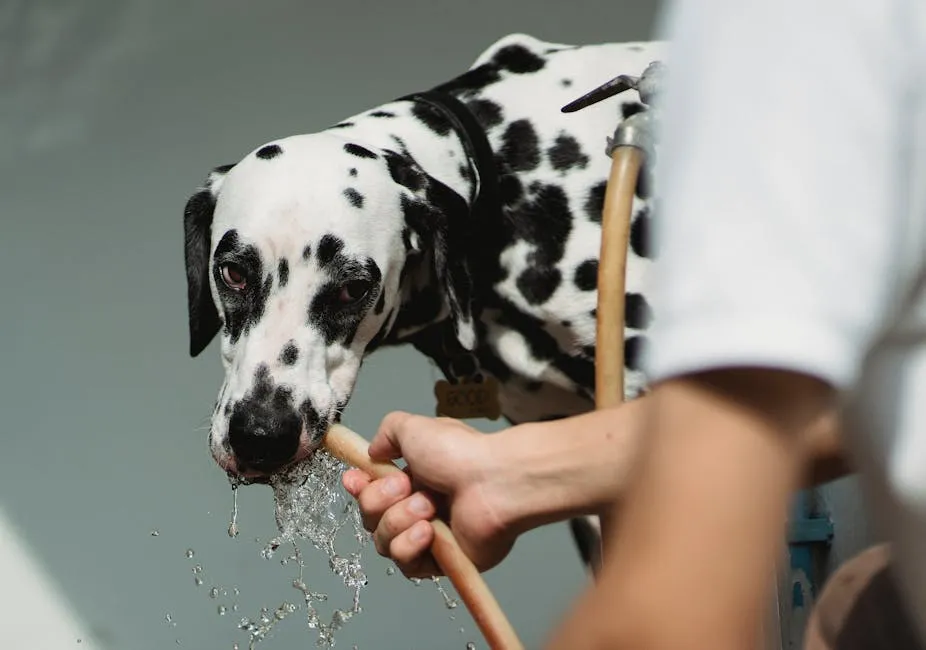
2. Cushing’s Disease
Cushing’s disease occurs when there’s an overproduction of cortisol in the bloodstream. This condition is more common in older dogs and can lead to various health issues.
Explanation of the Disease:
Cortisol helps manage stress and metabolism. When levels are too high, it disrupts normal bodily functions.
Common Symptoms to Look Out For:
- Increased thirst and urination
- Increased appetite
- Hair loss
- Pot-bellied appearance
If your dog exhibits these signs along with panting, it’s time for a trip to the vet.
3. Respiratory Disease
Respiratory issues can significantly affect a dog’s ability to breathe, leading to heavy panting.
How Respiratory Issues Affect Panting:
Dogs with respiratory diseases may pant excessively, even after light activity. Always pay attention to how your dog breathes during rest.
Importance of Monitoring Tongue Color:
A healthy dog’s tongue should be pink. If it turns blue, purple, or gray, that’s a red flag. This coloration indicates a lack of oxygen, requiring immediate veterinary attention.
4. Heart Disease
Heart disease is another potential culprit behind nighttime panting. As the heart struggles to pump blood effectively, it can cause breathing difficulties.
Symptoms Indicating Heart Problems:
- Excessive panting, especially after minimal exertion
- Coughing
- Fatigue or lethargy
- Swollen abdomen
If your dog is panting heavily without much activity, it’s a good idea to consult your veterinarian.
Other Causes of Nighttime Panting
Besides health issues, several other factors can lead to nighttime panting. Let’s explore these.
Stress or Anxiety
Stress and anxiety can significantly impact your dog’s comfort level at night.
Triggers:
- Thunderstorms
- Fireworks
- Separation anxiety
Behavioral Signs to Identify Anxiety:
Look for pacing, whining, or hiding. If these behaviors coincide with panting, it could be a sign of anxiety. To help soothe your anxious pup, consider using a Dog Anxiety Relief Pheromone Diffuser. This product can create a calming environment, helping your dog relax during stressful situations.
Environmental Issues
The environment plays a significant role in your dog’s comfort.
Effects of Temperature and Humidity:
High nighttime temperatures can be uncomfortable, especially for older dogs and puppies. Ensure your dog’s sleeping area is cool and well-ventilated.
How Allergies Can Disrupt Sleep:
Allergic reactions can lead to discomfort, causing your pup to pant at night. If you suspect allergies, consult your vet for advice. To help with allergy symptoms, consider a Dog Shampoo for Sensitive Skin to help soothe their skin and reduce irritation.
Pain or Discomfort
Pain is often an overlooked cause of nighttime panting.
Common Conditions That Lead to Panting:
- Arthritis
- Injuries
- Gastrointestinal issues
Signs Indicating Your Dog May Be in Pain:
Watch for whining, reluctance to move, or licking specific areas of their body. If you notice any of these signs, it’s crucial to seek veterinary care. You might also want to consider a Dog Nail Grinder to keep their nails trimmed and reduce the risk of injury.
Understanding potential sources of pain can be essential for your dog’s health. Learn more about phantom limb pain and how it can affect dogs.
Canine Cognitive Disorder (Dog Dementia)
As dogs age, they can suffer from cognitive decline, similar to dementia in humans.
Explanation of the Disorder:
Canine cognitive disorder affects a dog’s memory, learning, and perception.
How It Affects Sleep-Wake Cycles and Behavior:
Affected dogs may exhibit disorientation, pacing, and excessive panting. If you suspect this condition, consult your veterinarian for guidance.
Understanding the various reasons behind nighttime panting can help you identify potential health issues early. Keeping your dog comfortable and healthy is key to ensuring peaceful nights for both of you!
When to See a Veterinarian
Signs That Require Immediate Attention
If your dog is panting excessively without a clear reason, it’s time to take action. This behavior can signal something more serious lurking beneath the surface. Pay close attention to these signs:
- Excessive Panting Without an Obvious Cause: If your dog is panting heavily while resting, it may indicate distress. A healthy dog should not be panting heavily at night, especially in a comfortable environment.
- Signs of Heatstroke and Other Emergencies: Heatstroke is a serious condition that can escalate quickly. Look out for these symptoms: confusion, weakness, or a tongue that appears red, purple, or blue. If you observe any of these signs, seek veterinary care immediately.
Other emergencies can include sudden changes in behavior, such as pacing or whining, which may accompany heavy panting. These behaviors can indicate anxiety or pain that needs addressing.
Routine Check-ups
Regular veterinary check-ups play a key role in your dog’s overall health. These visits can help identify potential issues before they become serious problems. It’s essential to keep your vet informed about your dog’s panting patterns.
During routine visits, discuss any changes you’ve noticed in your dog’s behavior, especially if panting has become more frequent or intense. Your veterinarian can assess if this behavior is normal or if further investigation is warranted.
Monitoring your dog’s health and being proactive can ensure a happy, healthy life for your furry friend. Don’t hesitate to reach out to your vet with any concerns, especially regarding unusual panting.
Tips for Managing Nighttime Panting
Creating a Comfortable Environment
Setting up an ideal sleeping space for your pup can help reduce nighttime panting. Here are some key factors to consider:
- Ideal Sleeping Conditions for Dogs: Ensure your dog has a cozy, quiet place to sleep. A comfortable bed in a cool, well-ventilated area can do wonders. Use breathable materials to keep them comfortable. An excellent choice would be an Orthopedic Dog Bed that provides proper support for your dog’s joints.
- Importance of Hydration and Temperature Control: Keep fresh water accessible. Staying hydrated helps regulate body temperature. During warm nights, consider using fans or air conditioning to maintain a comfortable temperature. Dogs can’t sweat, so they rely on their environment to help cool down.
Anxiety Management Techniques
If your dog’s panting is related to anxiety, there are several methods to help calm their nerves:
- Suggestions for Calming Anxious Dogs: Try using calming sprays or pheromone diffusers. These can create a soothing atmosphere. If you’re looking for something effective, check out a Calming Dog Treats that can help relax your pup during stressful situations.
- Behavioral Modifications and Training: Teach your dog relaxation techniques. Training can help them feel more secure at night. Consider crate training or providing a safe space where they can retreat during stressful situations.
Monitoring and Record-Keeping
Keeping track of your dog’s panting patterns can provide valuable information for your veterinarian:
- Keeping Track of Panting Patterns: Note when panting occurs and any triggers that seem to be involved. Is it worse on certain nights or after specific activities?
- Note Any Accompanying Symptoms for Vet Visits: If you observe additional symptoms, such as lethargy or changes in appetite, make sure to document those too. This information can help your veterinarian make informed decisions about your dog’s health.
By managing your dog’s environment and monitoring their behavior, you can create a more peaceful nighttime experience for both of you.
Conclusion
In conclusion, nighttime panting in dogs can arise from various causes, some of which are perfectly harmless while others may require prompt attention. It’s essential to understand that panting is a natural behavior for dogs, often used to regulate their body temperature. However, if your furry friend starts panting excessively at night, it’s a sign that something might be amiss.
Being observant of your dog’s habits and behaviors can make a world of difference. If you notice changes in their panting patterns, it’s crucial to consider factors like environmental conditions, stress levels, and any signs of discomfort. A little extra attention can help you identify when your dog needs a vet’s expertise.
Your pup’s well-being is a top priority. By staying vigilant and proactive, you can ensure they enjoy restful nights and maintain a happy, healthy life. Remember, when uncertainty looms, consulting a veterinarian is always the best course of action. They can provide tailored advice and support, helping you navigate any concerns about your beloved pet’s health.
FAQs
Please let us know what you think about our content by leaving a comment down below!
Thank you for reading till here 🙂
All images from Pexels
Signs and Symptoms:
- Heavy panting
- Excessive drooling
- Signs of confusion or lethargy
- Increased heart rate
Causes and Risk Factors:
Short-nosed breeds, like pugs and bulldogs, are especially vulnerable. Their facial structure makes it harder for them to cool down effectively. Always keep an eye on your pup during hot weather. Never leave them in a car, even for a few minutes, as temperatures can rise rapidly.
To help prevent heatstroke, consider investing in a Pet Cooling Mat. These mats provide a refreshing spot for your dog to lay down and cool off, making it a great investment for those hot summer nights.
2. Cushing’s Disease
Cushing’s disease occurs when there’s an overproduction of cortisol in the bloodstream. This condition is more common in older dogs and can lead to various health issues.
Explanation of the Disease:
Cortisol helps manage stress and metabolism. When levels are too high, it disrupts normal bodily functions.
Common Symptoms to Look Out For:
- Increased thirst and urination
- Increased appetite
- Hair loss
- Pot-bellied appearance
If your dog exhibits these signs along with panting, it’s time for a trip to the vet.
3. Respiratory Disease
Respiratory issues can significantly affect a dog’s ability to breathe, leading to heavy panting.
How Respiratory Issues Affect Panting:
Dogs with respiratory diseases may pant excessively, even after light activity. Always pay attention to how your dog breathes during rest.
Importance of Monitoring Tongue Color:
A healthy dog’s tongue should be pink. If it turns blue, purple, or gray, that’s a red flag. This coloration indicates a lack of oxygen, requiring immediate veterinary attention.
4. Heart Disease
Heart disease is another potential culprit behind nighttime panting. As the heart struggles to pump blood effectively, it can cause breathing difficulties.
Symptoms Indicating Heart Problems:
- Excessive panting, especially after minimal exertion
- Coughing
- Fatigue or lethargy
- Swollen abdomen
If your dog is panting heavily without much activity, it’s a good idea to consult your veterinarian.
Other Causes of Nighttime Panting
Besides health issues, several other factors can lead to nighttime panting. Let’s explore these.
Stress or Anxiety
Stress and anxiety can significantly impact your dog’s comfort level at night.
Triggers:
- Thunderstorms
- Fireworks
- Separation anxiety
Behavioral Signs to Identify Anxiety:
Look for pacing, whining, or hiding. If these behaviors coincide with panting, it could be a sign of anxiety. To help soothe your anxious pup, consider using a Dog Anxiety Relief Pheromone Diffuser. This product can create a calming environment, helping your dog relax during stressful situations.
Environmental Issues
The environment plays a significant role in your dog’s comfort.
Effects of Temperature and Humidity:
High nighttime temperatures can be uncomfortable, especially for older dogs and puppies. Ensure your dog’s sleeping area is cool and well-ventilated.
How Allergies Can Disrupt Sleep:
Allergic reactions can lead to discomfort, causing your pup to pant at night. If you suspect allergies, consult your vet for advice. To help with allergy symptoms, consider a Dog Shampoo for Sensitive Skin to help soothe their skin and reduce irritation.
Pain or Discomfort
Pain is often an overlooked cause of nighttime panting.
Common Conditions That Lead to Panting:
- Arthritis
- Injuries
- Gastrointestinal issues
Signs Indicating Your Dog May Be in Pain:
Watch for whining, reluctance to move, or licking specific areas of their body. If you notice any of these signs, it’s crucial to seek veterinary care. You might also want to consider a Dog Nail Grinder to keep their nails trimmed and reduce the risk of injury.
Understanding potential sources of pain can be essential for your dog’s health. Learn more about phantom limb pain and how it can affect dogs.
Canine Cognitive Disorder (Dog Dementia)
As dogs age, they can suffer from cognitive decline, similar to dementia in humans.
Explanation of the Disorder:
Canine cognitive disorder affects a dog’s memory, learning, and perception.
How It Affects Sleep-Wake Cycles and Behavior:
Affected dogs may exhibit disorientation, pacing, and excessive panting. If you suspect this condition, consult your veterinarian for guidance.
Understanding the various reasons behind nighttime panting can help you identify potential health issues early. Keeping your dog comfortable and healthy is key to ensuring peaceful nights for both of you!
When to See a Veterinarian
Signs That Require Immediate Attention
If your dog is panting excessively without a clear reason, it’s time to take action. This behavior can signal something more serious lurking beneath the surface. Pay close attention to these signs:
- Excessive Panting Without an Obvious Cause: If your dog is panting heavily while resting, it may indicate distress. A healthy dog should not be panting heavily at night, especially in a comfortable environment.
- Signs of Heatstroke and Other Emergencies: Heatstroke is a serious condition that can escalate quickly. Look out for these symptoms: confusion, weakness, or a tongue that appears red, purple, or blue. If you observe any of these signs, seek veterinary care immediately.
Other emergencies can include sudden changes in behavior, such as pacing or whining, which may accompany heavy panting. These behaviors can indicate anxiety or pain that needs addressing.
Routine Check-ups
Regular veterinary check-ups play a key role in your dog’s overall health. These visits can help identify potential issues before they become serious problems. It’s essential to keep your vet informed about your dog’s panting patterns.
During routine visits, discuss any changes you’ve noticed in your dog’s behavior, especially if panting has become more frequent or intense. Your veterinarian can assess if this behavior is normal or if further investigation is warranted.
Monitoring your dog’s health and being proactive can ensure a happy, healthy life for your furry friend. Don’t hesitate to reach out to your vet with any concerns, especially regarding unusual panting.
Tips for Managing Nighttime Panting
Creating a Comfortable Environment
Setting up an ideal sleeping space for your pup can help reduce nighttime panting. Here are some key factors to consider:
- Ideal Sleeping Conditions for Dogs: Ensure your dog has a cozy, quiet place to sleep. A comfortable bed in a cool, well-ventilated area can do wonders. Use breathable materials to keep them comfortable. An excellent choice would be an Orthopedic Dog Bed that provides proper support for your dog’s joints.
- Importance of Hydration and Temperature Control: Keep fresh water accessible. Staying hydrated helps regulate body temperature. During warm nights, consider using fans or air conditioning to maintain a comfortable temperature. Dogs can’t sweat, so they rely on their environment to help cool down.
Anxiety Management Techniques
If your dog’s panting is related to anxiety, there are several methods to help calm their nerves:
- Suggestions for Calming Anxious Dogs: Try using calming sprays or pheromone diffusers. These can create a soothing atmosphere. If you’re looking for something effective, check out a Calming Dog Treats that can help relax your pup during stressful situations.
- Behavioral Modifications and Training: Teach your dog relaxation techniques. Training can help them feel more secure at night. Consider crate training or providing a safe space where they can retreat during stressful situations.
Monitoring and Record-Keeping
Keeping track of your dog’s panting patterns can provide valuable information for your veterinarian:
- Keeping Track of Panting Patterns: Note when panting occurs and any triggers that seem to be involved. Is it worse on certain nights or after specific activities?
- Note Any Accompanying Symptoms for Vet Visits: If you observe additional symptoms, such as lethargy or changes in appetite, make sure to document those too. This information can help your veterinarian make informed decisions about your dog’s health.
By managing your dog’s environment and monitoring their behavior, you can create a more peaceful nighttime experience for both of you.
Conclusion
In conclusion, nighttime panting in dogs can arise from various causes, some of which are perfectly harmless while others may require prompt attention. It’s essential to understand that panting is a natural behavior for dogs, often used to regulate their body temperature. However, if your furry friend starts panting excessively at night, it’s a sign that something might be amiss.
Being observant of your dog’s habits and behaviors can make a world of difference. If you notice changes in their panting patterns, it’s crucial to consider factors like environmental conditions, stress levels, and any signs of discomfort. A little extra attention can help you identify when your dog needs a vet’s expertise.
Your pup’s well-being is a top priority. By staying vigilant and proactive, you can ensure they enjoy restful nights and maintain a happy, healthy life. Remember, when uncertainty looms, consulting a veterinarian is always the best course of action. They can provide tailored advice and support, helping you navigate any concerns about your beloved pet’s health.
FAQs
Please let us know what you think about our content by leaving a comment down below!
Thank you for reading till here 🙂
All images from Pexels
Introduction
In the cozy embrace of night, when all is supposed to be serene, you might find your furry friend panting as if they’ve just run a marathon. It’s a baffling sight, isn’t it? While a dog’s panting can often be a normal response to heat or exercise, nighttime panting can leave pet owners scratching their heads and worrying. Why does this happen? Is it something to be concerned about?
Nighttime panting can be puzzling. It might be a simple reaction to a warm room or an overly snuggly blanket. However, if your dog is panting without an obvious reason, it could indicate something more serious. The doggy version of tossing and turning, this behavior can lead to sleepless nights for both you and your pup.
In this article, we’ll explore the various reasons behind nighttime panting in dogs. We’ll cover everything from simple environmental factors to more serious health concerns. Are they too hot? Feeling anxious? Or perhaps dealing with an underlying health issue? Understanding these factors can help ease your worries and guide you toward solutions.
So, grab a cup of tea and let’s unravel the mystery of your dog’s nighttime behavior! By the end of this post, you’ll be armed with knowledge to help your furry friend rest easy. Because let’s face it, a happy dog means a happier you!

Summary of Key Points
Nighttime panting in dogs can be a perplexing issue for pet owners. While panting is a natural way for dogs to regulate their body temperature, excessive panting at night can signal underlying health issues or discomfort. Common causes include heatstroke, Cushing’s disease, respiratory diseases, heart conditions, stress or anxiety, environmental issues, pain, and cognitive disorders. Recognizing abnormal panting signs is crucial, as it can lead to sleepless nights for both you and your pup. In this article, we’ll discuss each cause, when to seek veterinary help, and tips to ensure your dog’s comfort during the night. By the end, you’ll have a comprehensive understanding of why your dog may be panting at night. Plus, you’ll learn what steps you can take to alleviate their distress.
Potential Health Problems Causing Nighttime Panting
Nighttime panting can be a puzzling and concerning behavior in dogs. While it might just be a reaction to a warm room, it can also signal underlying health issues. Let’s look at some potential health problems that could cause your furry friend to pant at night.
1. Heatstroke
Heatstroke is a severe condition that can be life-threatening if not treated promptly. Dogs regulate their temperature by panting, but when temperatures soar, they might struggle.
Signs and Symptoms:
- Heavy panting
- Excessive drooling
- Signs of confusion or lethargy
- Increased heart rate
Causes and Risk Factors:
Short-nosed breeds, like pugs and bulldogs, are especially vulnerable. Their facial structure makes it harder for them to cool down effectively. Always keep an eye on your pup during hot weather. Never leave them in a car, even for a few minutes, as temperatures can rise rapidly.
To help prevent heatstroke, consider investing in a Pet Cooling Mat. These mats provide a refreshing spot for your dog to lay down and cool off, making it a great investment for those hot summer nights.
2. Cushing’s Disease
Cushing’s disease occurs when there’s an overproduction of cortisol in the bloodstream. This condition is more common in older dogs and can lead to various health issues.
Explanation of the Disease:
Cortisol helps manage stress and metabolism. When levels are too high, it disrupts normal bodily functions.
Common Symptoms to Look Out For:
- Increased thirst and urination
- Increased appetite
- Hair loss
- Pot-bellied appearance
If your dog exhibits these signs along with panting, it’s time for a trip to the vet.
3. Respiratory Disease
Respiratory issues can significantly affect a dog’s ability to breathe, leading to heavy panting.
How Respiratory Issues Affect Panting:
Dogs with respiratory diseases may pant excessively, even after light activity. Always pay attention to how your dog breathes during rest.
Importance of Monitoring Tongue Color:
A healthy dog’s tongue should be pink. If it turns blue, purple, or gray, that’s a red flag. This coloration indicates a lack of oxygen, requiring immediate veterinary attention.
4. Heart Disease
Heart disease is another potential culprit behind nighttime panting. As the heart struggles to pump blood effectively, it can cause breathing difficulties.
Symptoms Indicating Heart Problems:
- Excessive panting, especially after minimal exertion
- Coughing
- Fatigue or lethargy
- Swollen abdomen
If your dog is panting heavily without much activity, it’s a good idea to consult your veterinarian.
Other Causes of Nighttime Panting
Besides health issues, several other factors can lead to nighttime panting. Let’s explore these.
Stress or Anxiety
Stress and anxiety can significantly impact your dog’s comfort level at night.
Triggers:
- Thunderstorms
- Fireworks
- Separation anxiety
Behavioral Signs to Identify Anxiety:
Look for pacing, whining, or hiding. If these behaviors coincide with panting, it could be a sign of anxiety. To help soothe your anxious pup, consider using a Dog Anxiety Relief Pheromone Diffuser. This product can create a calming environment, helping your dog relax during stressful situations.
Environmental Issues
The environment plays a significant role in your dog’s comfort.
Effects of Temperature and Humidity:
High nighttime temperatures can be uncomfortable, especially for older dogs and puppies. Ensure your dog’s sleeping area is cool and well-ventilated.
How Allergies Can Disrupt Sleep:
Allergic reactions can lead to discomfort, causing your pup to pant at night. If you suspect allergies, consult your vet for advice. To help with allergy symptoms, consider a Dog Shampoo for Sensitive Skin to help soothe their skin and reduce irritation.
Pain or Discomfort
Pain is often an overlooked cause of nighttime panting.
Common Conditions That Lead to Panting:
- Arthritis
- Injuries
- Gastrointestinal issues
Signs Indicating Your Dog May Be in Pain:
Watch for whining, reluctance to move, or licking specific areas of their body. If you notice any of these signs, it’s crucial to seek veterinary care. You might also want to consider a Dog Nail Grinder to keep their nails trimmed and reduce the risk of injury.
Understanding potential sources of pain can be essential for your dog’s health. Learn more about phantom limb pain and how it can affect dogs.
Canine Cognitive Disorder (Dog Dementia)
As dogs age, they can suffer from cognitive decline, similar to dementia in humans.
Explanation of the Disorder:
Canine cognitive disorder affects a dog’s memory, learning, and perception.
How It Affects Sleep-Wake Cycles and Behavior:
Affected dogs may exhibit disorientation, pacing, and excessive panting. If you suspect this condition, consult your veterinarian for guidance.
Understanding the various reasons behind nighttime panting can help you identify potential health issues early. Keeping your dog comfortable and healthy is key to ensuring peaceful nights for both of you!
When to See a Veterinarian
Signs That Require Immediate Attention
If your dog is panting excessively without a clear reason, it’s time to take action. This behavior can signal something more serious lurking beneath the surface. Pay close attention to these signs:
- Excessive Panting Without an Obvious Cause: If your dog is panting heavily while resting, it may indicate distress. A healthy dog should not be panting heavily at night, especially in a comfortable environment.
- Signs of Heatstroke and Other Emergencies: Heatstroke is a serious condition that can escalate quickly. Look out for these symptoms: confusion, weakness, or a tongue that appears red, purple, or blue. If you observe any of these signs, seek veterinary care immediately.
Other emergencies can include sudden changes in behavior, such as pacing or whining, which may accompany heavy panting. These behaviors can indicate anxiety or pain that needs addressing.
Routine Check-ups
Regular veterinary check-ups play a key role in your dog’s overall health. These visits can help identify potential issues before they become serious problems. It’s essential to keep your vet informed about your dog’s panting patterns.
During routine visits, discuss any changes you’ve noticed in your dog’s behavior, especially if panting has become more frequent or intense. Your veterinarian can assess if this behavior is normal or if further investigation is warranted.
Monitoring your dog’s health and being proactive can ensure a happy, healthy life for your furry friend. Don’t hesitate to reach out to your vet with any concerns, especially regarding unusual panting.
Tips for Managing Nighttime Panting
Creating a Comfortable Environment
Setting up an ideal sleeping space for your pup can help reduce nighttime panting. Here are some key factors to consider:
- Ideal Sleeping Conditions for Dogs: Ensure your dog has a cozy, quiet place to sleep. A comfortable bed in a cool, well-ventilated area can do wonders. Use breathable materials to keep them comfortable. An excellent choice would be an Orthopedic Dog Bed that provides proper support for your dog’s joints.
- Importance of Hydration and Temperature Control: Keep fresh water accessible. Staying hydrated helps regulate body temperature. During warm nights, consider using fans or air conditioning to maintain a comfortable temperature. Dogs can’t sweat, so they rely on their environment to help cool down.
Anxiety Management Techniques
If your dog’s panting is related to anxiety, there are several methods to help calm their nerves:
- Suggestions for Calming Anxious Dogs: Try using calming sprays or pheromone diffusers. These can create a soothing atmosphere. If you’re looking for something effective, check out a Calming Dog Treats that can help relax your pup during stressful situations.
- Behavioral Modifications and Training: Teach your dog relaxation techniques. Training can help them feel more secure at night. Consider crate training or providing a safe space where they can retreat during stressful situations.
Monitoring and Record-Keeping
Keeping track of your dog’s panting patterns can provide valuable information for your veterinarian:
- Keeping Track of Panting Patterns: Note when panting occurs and any triggers that seem to be involved. Is it worse on certain nights or after specific activities?
- Note Any Accompanying Symptoms for Vet Visits: If you observe additional symptoms, such as lethargy or changes in appetite, make sure to document those too. This information can help your veterinarian make informed decisions about your dog’s health.
By managing your dog’s environment and monitoring their behavior, you can create a more peaceful nighttime experience for both of you.
Conclusion
In conclusion, nighttime panting in dogs can arise from various causes, some of which are perfectly harmless while others may require prompt attention. It’s essential to understand that panting is a natural behavior for dogs, often used to regulate their body temperature. However, if your furry friend starts panting excessively at night, it’s a sign that something might be amiss.
Being observant of your dog’s habits and behaviors can make a world of difference. If you notice changes in their panting patterns, it’s crucial to consider factors like environmental conditions, stress levels, and any signs of discomfort. A little extra attention can help you identify when your dog needs a vet’s expertise.
Your pup’s well-being is a top priority. By staying vigilant and proactive, you can ensure they enjoy restful nights and maintain a happy, healthy life. Remember, when uncertainty looms, consulting a veterinarian is always the best course of action. They can provide tailored advice and support, helping you navigate any concerns about your beloved pet’s health.
FAQs
Please let us know what you think about our content by leaving a comment down below!
Thank you for reading till here 🙂
All images from Pexels